Updated5 min readApplication Guide
Aluminum Foil Tray Uses: Takeout, Catering, Bakery, BBQ, Airline, Ready Meals, and Retail Food
Where aluminum foil trays can be used: restaurants, cloud kitchens, catering, hotels, airlines, bakeries, supermarkets, BBQ, meal prep, and food factories.
Quick Answer
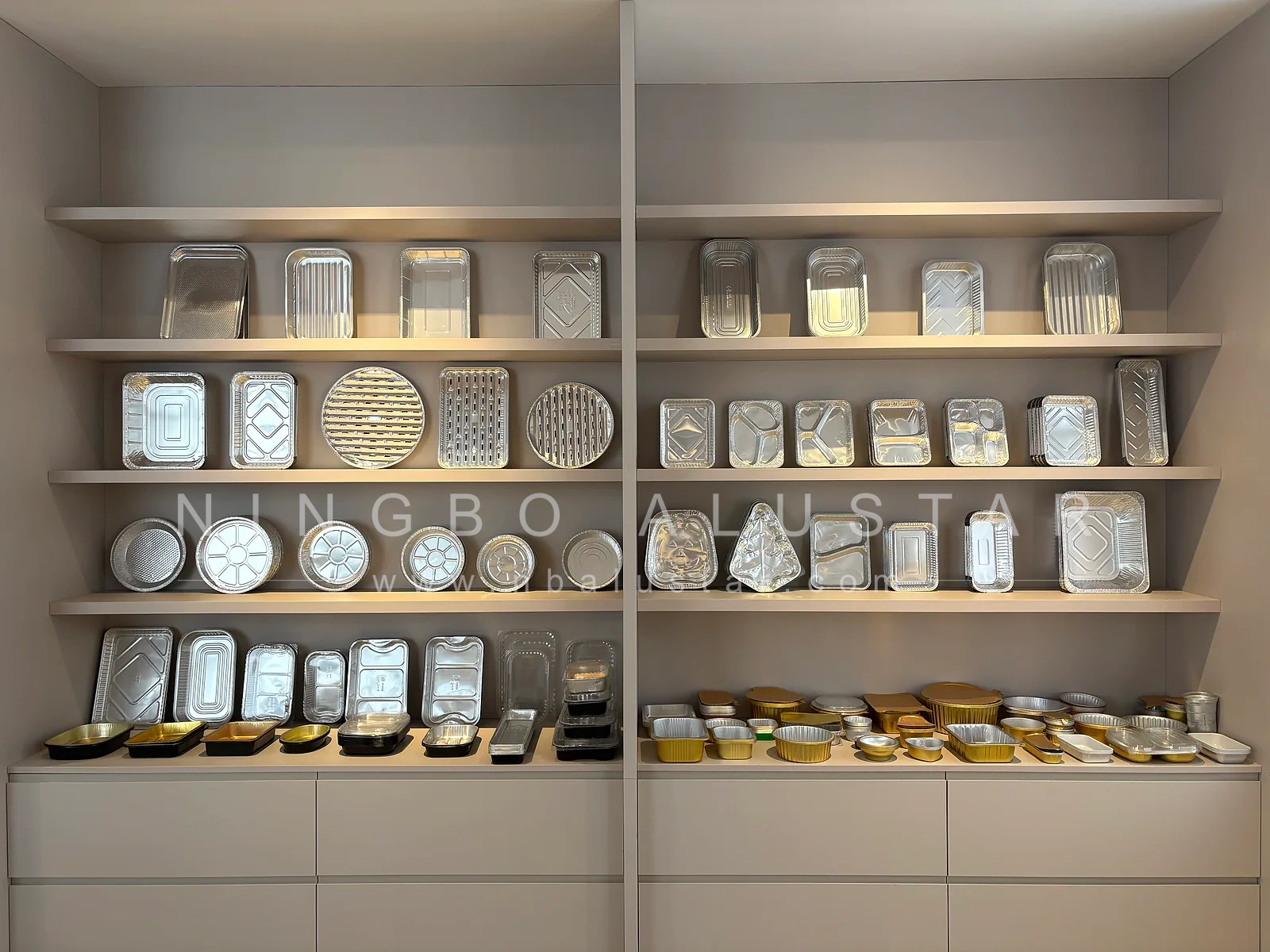
Aluminum foil trays can support takeaway, catering, bakery, roasting, airline, supermarket, and ready-meal programs, but there is no all-purpose tray. Select the format from the food's footprint and free liquid, filled weight, temperature sequence, closure, equipment, service method, and transport load. Use this guide as an application router, then validate one exact tray-and-lid pair for each menu family.
Route each food program to the right tray family
Application names are a starting point, not a specification. Two takeaway meals may differ more than a takeaway meal and a ready meal if one is dry and eaten immediately while the other is sauced, chilled, stacked, and reheated later.
Build a menu-to-route matrix before opening a catalogue. The result should narrow the search to a small tray family and identify which closure, equipment, and failure modes must be tested.
| Application | Dominant load | Format direction | Validation priority |
|---|---|---|---|
| Takeaway and delivery | Tilt, sauce movement, stack pressure and consumer lifting | Single or compartment meal tray with a secured closure | Filled leak, bag transport, opening and presentation |
| Catering and buffet | Large portions, hot holding and repeated handling | Deeper or reinforced tray with planned external support | Hot lift, trolley, serving and lid retention |
| Bakery and desserts | Batter expansion, release, browning and display | Cup, shallow pan or loaf/tart format | Bake, cool, release, top clearance and shelf display |
| Roasting and BBQ | Concentrated weight, heat, grease and puncture | Supported base and stronger rim suited to the food | Oven or grill route, hot handling and permanent deformation |
| Airline and institutional meals | Equipment envelope, rapid handling and controlled portions | Dimensionally controlled meal or compartment tray | Rack fit, de-nesting, chilling, reheating and service |
| Ready meals and retail deli | Seal, cold storage, reheating, label and shelf handling | Tray designed with the closure and retail route | Seal integrity, cold/heat cycle, condensation and label |
Describe the food by physical behavior
Cuisine and product names do not tell a factory how the pack will behave. Record the normal and worst-case portion, footprint, free liquid, oil, acidity or salt where relevant, bones or sharp edges, steam, expansion, garnish height, and whether components must remain separate.
Distribution across the base matters as much as total weight. A compact piece of meat can create a local sag or puncture risk, while rice or casserole spreads the load. Photograph the accepted fill pattern and include it in the trial record.
- Separate dry, wet, crisp, aromatic, hot and chilled components when their quality needs conflict.
- Set a maximum fill line and required headspace for the selected closure.
- State whether the customer lifts the pack by the base, two sides, or a service tray.
- Include any reheating, oven, freezer, display, or hot-hold stage in sequence.
Select format and closure as one operating system
Top length or nominal capacity cannot decide the tray. Usable base, bottom dimensions, wall angle, depth, corner radius, compartment ratio, rim profile, reinforcement, nesting, and filled lift all affect the application. The closure then changes headspace, visibility, venting, stack height, temperature limits, branding, and opening force.
Choose the closure before freezing the tray specification. Board, foil, polymer lids, and sealing films follow different equipment and service routes; the complete construction must be assessed rather than assuming every lid shares aluminum's behavior.
Run one complete application trial
An empty-tray demonstration can screen obvious dimensional or appearance problems, but it cannot reproduce food mass, steam, grease, lid pressure, vehicle movement, cold conditioning, or hot consumer handling. Define acceptance criteria before filling samples.
- Prepare normal and worst-case recipes at the actual portion and fill temperature.
- Close with the exact production lid or sealing settings and inspect the rim for contamination.
- Condition, stack, tilt, transport, heat or cool, open, and serve in the real order.
- Record leakage, base sag, wall or rim deformation, lid movement, food contact with the lid, opening, and presentation.
- Convert the passing result into tray and lid codes, fill instruction, carton plan, photographs, limits, and a revision date.
Recognize application-selection mistakes
Most range problems come from using one convenient catalogue characteristic as a substitute for the complete route. A controlled exception for one menu must not become an untested rule for every customer.
- Do not use one tray for dry bakery, sauced delivery and frozen reheating merely because the portion volume is similar.
- Do not call a pack leak-resistant after testing only water in a clean, level, room-temperature sample.
- Do not describe a tray as ovenable or freezer-to-oven without validating the food, lid, label, time and equipment route.
- Do not add near-identical SKUs without a distinct menu, lid, customer, or operational reason.
- Do not let local product nicknames replace controlled tray and lid codes.
Build a small, intentional product range
A practical range normally begins with a few proven portion and service routes, not every available mold. Track sales, complaints, lid shortages, packing-line time, and inventory by exact tray-and-lid pair so overlapping products can be identified.
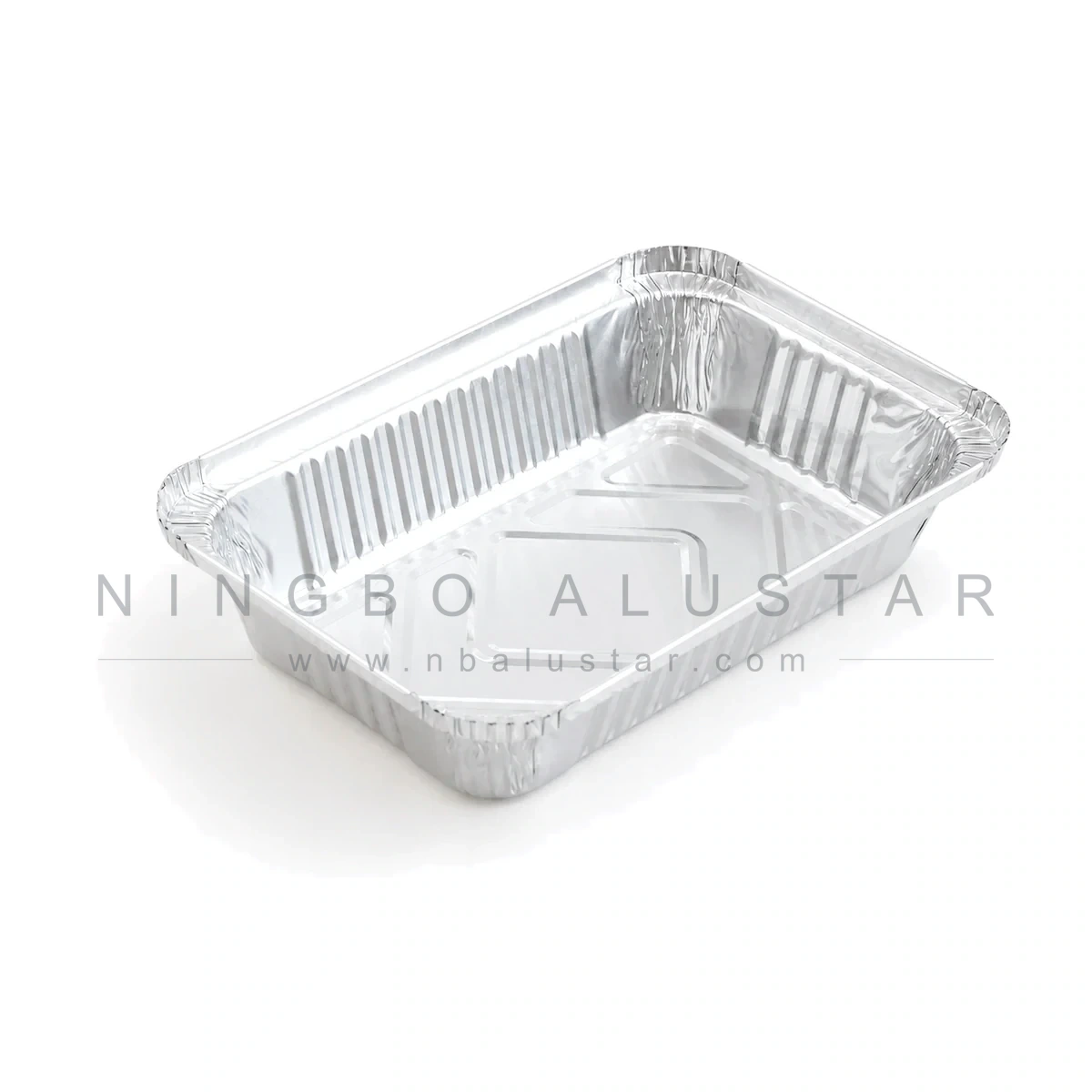
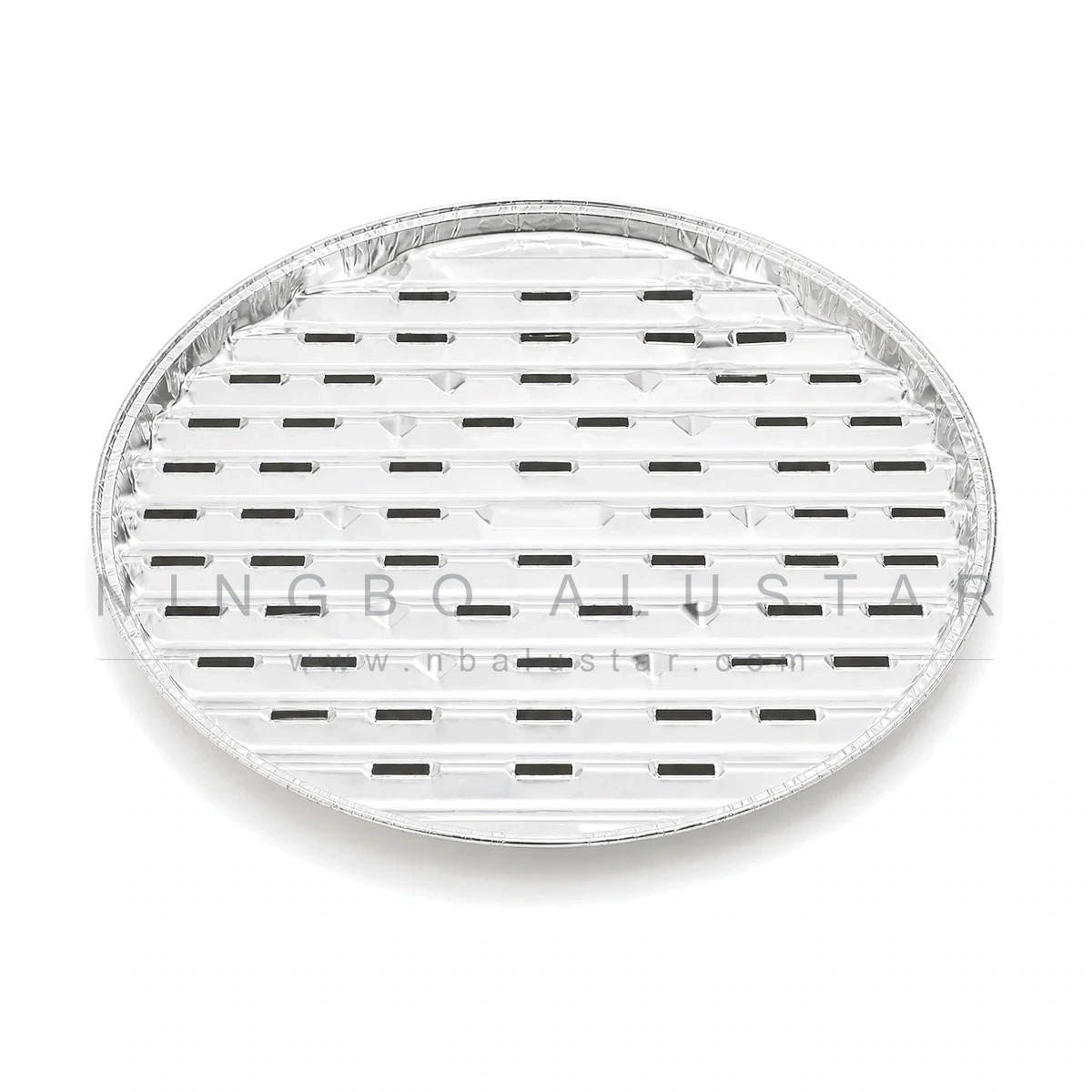
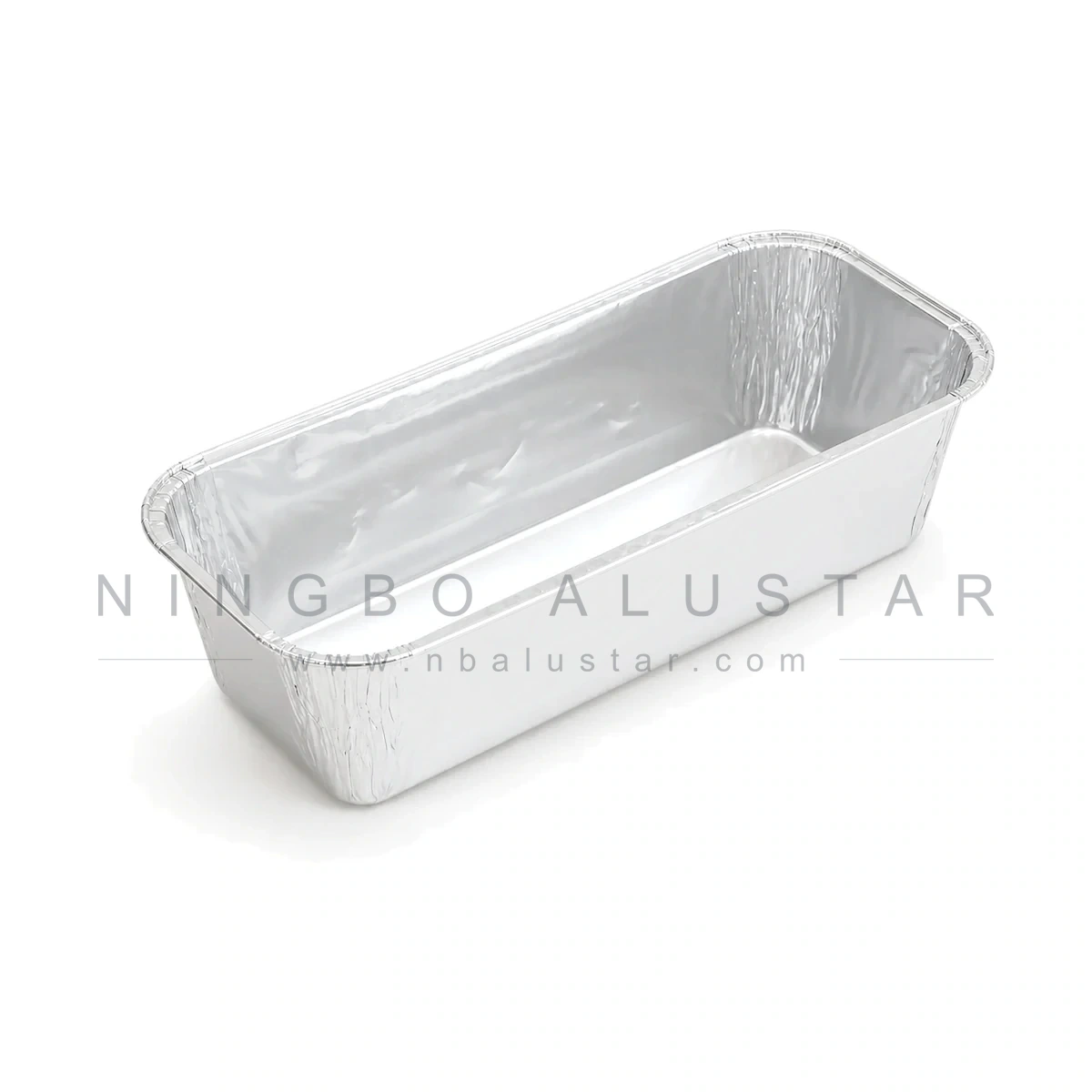
Alustar can compare existing rectangular, round, compartment, roasting, bakery, and small-portion formats after receiving the menu and route. Approve the smallest set that passes, then add a format only when it solves a documented application gap.
Sources and further reading
Continue this buying path
Use these related guides to move from initial selection to specifications, compliance, and supplier evaluation.
Buyer Resources
Takeout Aluminum Foil Containers: Buyer Guide for Restaurants and Distributors
Read guideApplication Guide
Aluminum Foil Containers for Catering: Full-Size, Half-Size, and Party Trays Buyer Guide
Read guideApplication Guide
Aluminum Foil Trays for Bakery and Desserts: Cups, Loaf Pans, Tart Trays, and Cake Cups
Read guideApplication Guide
BBQ and Baking Aluminum Foil Trays: Selection, Purchasing, and Supply Chain Management
Read guideRelated aluminum foil products
Buyer next steps
FAQ
Can one aluminum foil tray serve several food applications?
Yes, when the applications share compatible loads, closures, temperatures, handling, and acceptance criteria, and each important route has been tested. Similar nominal capacity alone is not enough to approve multi-use performance.
When should buyers use a compartment foil tray?
Use compartments when portions must stay positioned or when moisture, aroma, sauce, temperature, or texture transfer would damage the meal. Validate cavity ratios, bridge strength, cross-cavity leakage, closure, and uneven loading with the actual menu.
Which tray properties matter more than nominal capacity?
Usable base, top and bottom dimensions, depth, wall angle, rim, reinforcement, finished weight, lid interface, nesting, filled lift, and carton orientation can all change performance. Select the relevant controls from the food route.
How should a distributor reduce duplicate foil tray SKUs?
Group products by menu route and exact lid family, compare filled performance and sales, then migrate customers to a validated alternative before retiring a code. Keep names, cartons, warehouse records, invoices, and reorder forms aligned during the change.