Updated5 min readImport Guide
How to Import Aluminum Foil Containers from China: MOQ, Samples, Certificates, and Shipping
Learn how to import aluminum foil containers from China, from supplier selection and samples to compliance documents, MOQ, packing, inspection, and shipping.
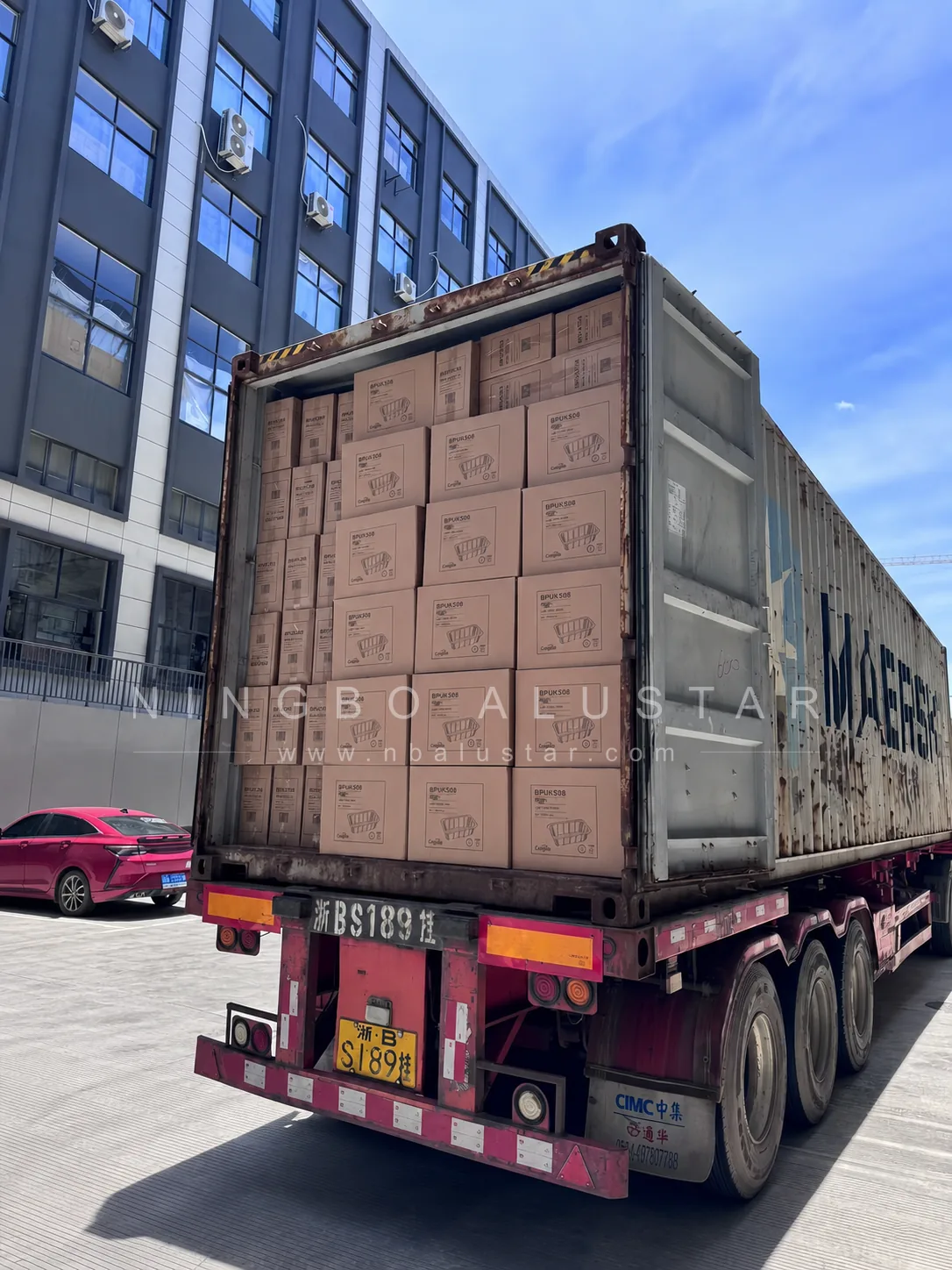
Quick Answer
Importing aluminum foil containers from China should run as a sequence of stop/go approvals: qualify the legal factory and production scope, freeze a measurable tray-and-lid specification, approve production-representative samples, verify market documents, inspect the finished lot, and release shipment only when product, packing and commercial documents agree. Paying against a catalogue photo or generic certificate skips the controls that prevent most import disputes.
Use a gated import plan from supplier check to shipment
Treat sourcing, product approval and logistics as one controlled project. Each milestone needs an owner, dated evidence, open issues and an explicit release decision; a passed factory call does not replace a sample test, and a passed sample does not replace lot inspection.
The plan should state which failures stop payment, production or shipment. This gives the buyer and factory a shared escalation path before time pressure at the port turns an unresolved defect into an accepted risk.
| Gate | Required evidence | Do not release when |
|---|---|---|
| Supplier qualification | Legal entity, site, equipment, scope and quality contacts | Payee, factory or quoted scope cannot be reconciled |
| Specification | Controlled drawing, weight range, lid, packing and use conditions | Key values remain verbal or contradictory |
| Sample approval | Coded samples and filled-route test record | Sample identity or production representativeness is unclear |
| Production release | Signed specification, artwork, documents and order terms | Open changes have no approved revision |
| Shipment release | Inspection, quantities, labels, cartons and shipping draft | Goods or documents differ from the purchase file |
Qualify the real manufacturer and transaction path
Confirm the company name, address, payee, production location, export role and responsibility for tooling, lids, printing and inspection. A trading company can be a valid partner, but the buyer still needs to know which site controls the critical process and records.
Review equipment and mold capability against the requested format, then sample traceability, incoming foil control, in-process checks, nonconforming-product handling, packing and change notification. Use video or documents as screening evidence and arrange a deeper audit when risk or order value justifies it.
- Match the bank beneficiary to the contracted transaction path.
- Identify outsourced lids, cartons, coatings or testing.
- Ask who can approve technical deviations and corrective actions.
- Keep factory and commercial contacts in the same project record.
Freeze the tray, lid and packing before the deposit milestone
A usable specification names top outer and inner dimensions, bottom size, height, target finished-piece weight and tolerance, rim or closure interface, surface, lid code, pieces per pack and carton, carton dimensions, marks, artwork and intended food-temperature route.
Approve a coded sample against that file and document the real filling, closing, stacking, transport and opening test. State whether the sample is hand-made, pilot-run or normal production, because a visually correct development sample may not prove repeatability at production speed.
- Attach the approved sample code to the purchase order.
- Use the same tray and lid codes in drawings, carton marks and invoices.
- Define major and critical defects before production.
- Require written approval for any material, tool, lid or pack change.
Build a destination-specific evidence file
The required evidence depends on the destination, food, temperature, duration and every food-contact component. Ask what the report or declaration actually covers: bare or coated foil, lid, ink, adhesive or sealing layer, and whether the named sample matches the ordered construction.
Keep the issuer, report or certificate number, legal entity, factory address, scope, sample identity, standard, issue date and verification route. Management-system evidence and product food-contact evidence answer different questions and should not substitute for each other.
- List evidence requirements in the RFQ, not after production.
- Review translations against the original report.
- Record gaps and the party responsible for closing them.
- Recheck documents when the material construction or destination changes.
Inspect the finished order and reconcile shipping documents
Pre-shipment inspection should sample the finished, packed lot and verify quantities, code segregation, dimensions, piece weight, workmanship, sharp-edge or contamination concerns, lid fit, de-nesting, filled function, labels, carton construction and marks. Photograph the inspected lot and identify sealed reference cartons where appropriate.
Before shipment release, compare the packing list, commercial invoice, booking or bill-of-lading draft, carton count, gross and net weight, volume, product description, consignee and marks with the inspected goods and purchase order. Resolve discrepancies before documents are finalized.
- Inspect after normal production and final packing, not only loose samples.
- Link every finding to a carton, pallet or lot identity.
- Agree sorting, rework, concession or hold rules before inspection.
- Release the balance payment against the contracted evidence set.
Give Alustar a complete import brief
Send the food use, dimensions or reference sample, tray-and-lid route, target strength or weight, packing, quantity forecast, first order, destination, delivery date, Incoterm preference, artwork status, inspection plan and document list. State which values are fixed and which may be optimized with an existing mold.
Alustar can return relevant mold options, sample and validation steps, packing data, quotation assumptions and an evidence checklist. The buyer should then record every agreed deviation and release milestone in the purchase file rather than relying on chat history alone.
- Nominate one technical and one commercial approver.
- Set target dates for sample, artwork, production and inspection.
- Keep Incoterm place and version explicit in the contract.
- Archive the final specification and evidence with repeat orders.
Direct B2B procurement
Aluminum Foil Container Manufacturer in China
Qualify a real Ningbo factory through its product range, mold matching, food-contact evidence, samples, inspection, export packing, and direct RFQ route.
View solutionSources and further reading
Continue this buying path
Use these related guides to move from initial selection to specifications, compliance, and supplier evaluation.
Supplier Selection Guide
How to Choose an Aluminum Foil Container Manufacturer in China
Read guideBuyer Resources
Aluminum Foil Container MOQ Guide: What Affects Minimum Order Quantity?
Read guideBuyer Resources
Aluminum Foil Container Price Guide: What Affects Factory Cost and Export Quotation?
Read guideCompliance
Aluminum Foil Container Certificates: Food Contact, BRCGS, REACH, and Migration Testing Explained
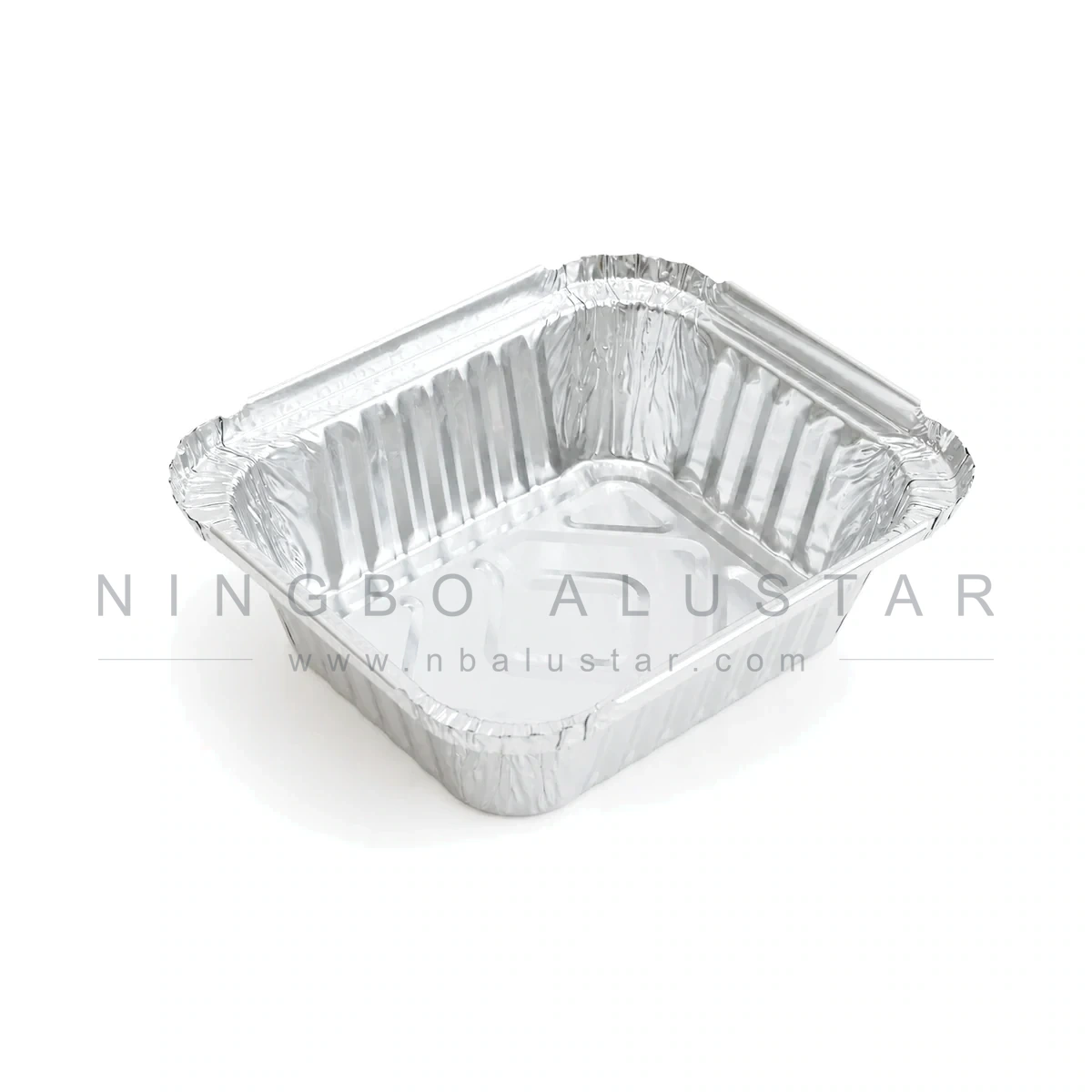
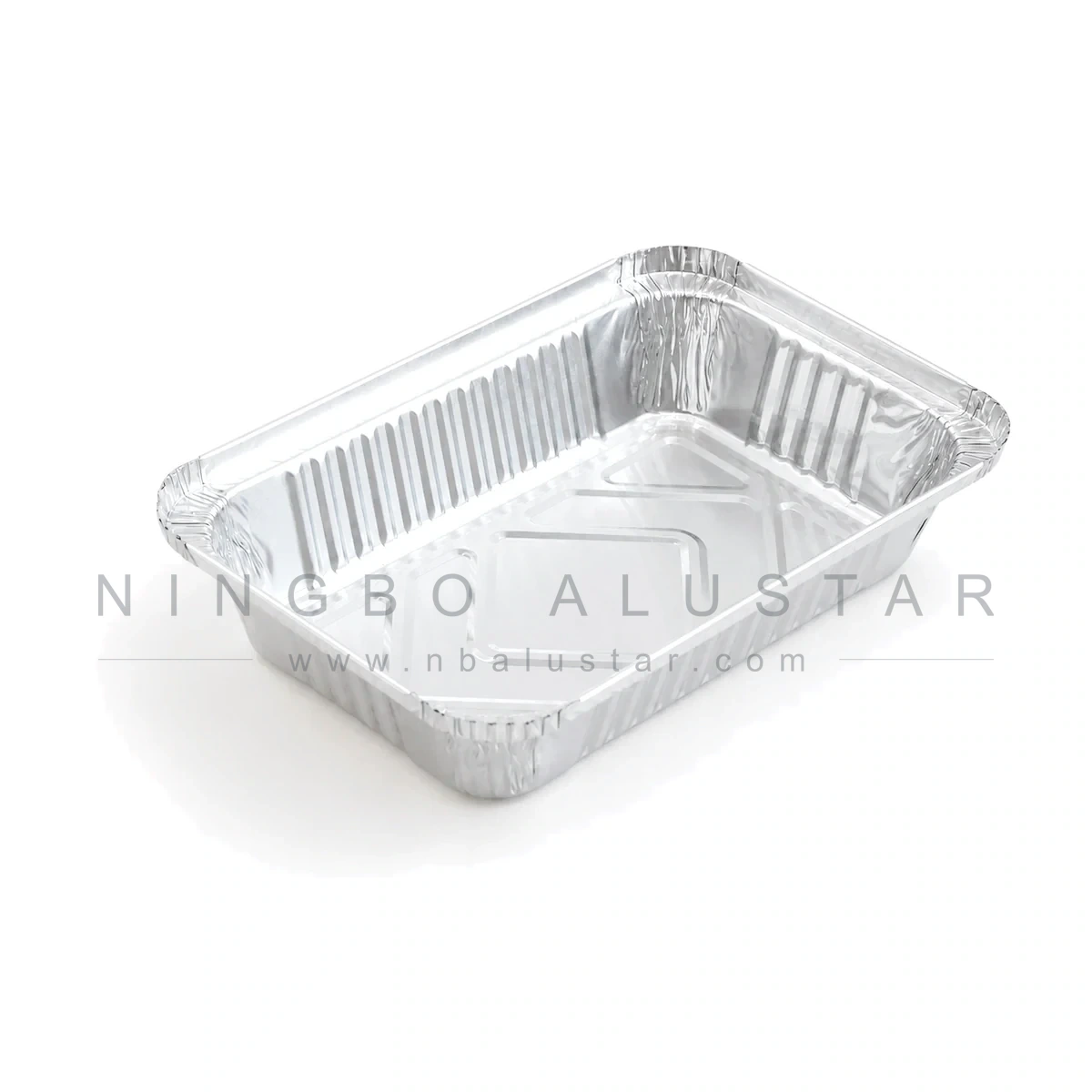
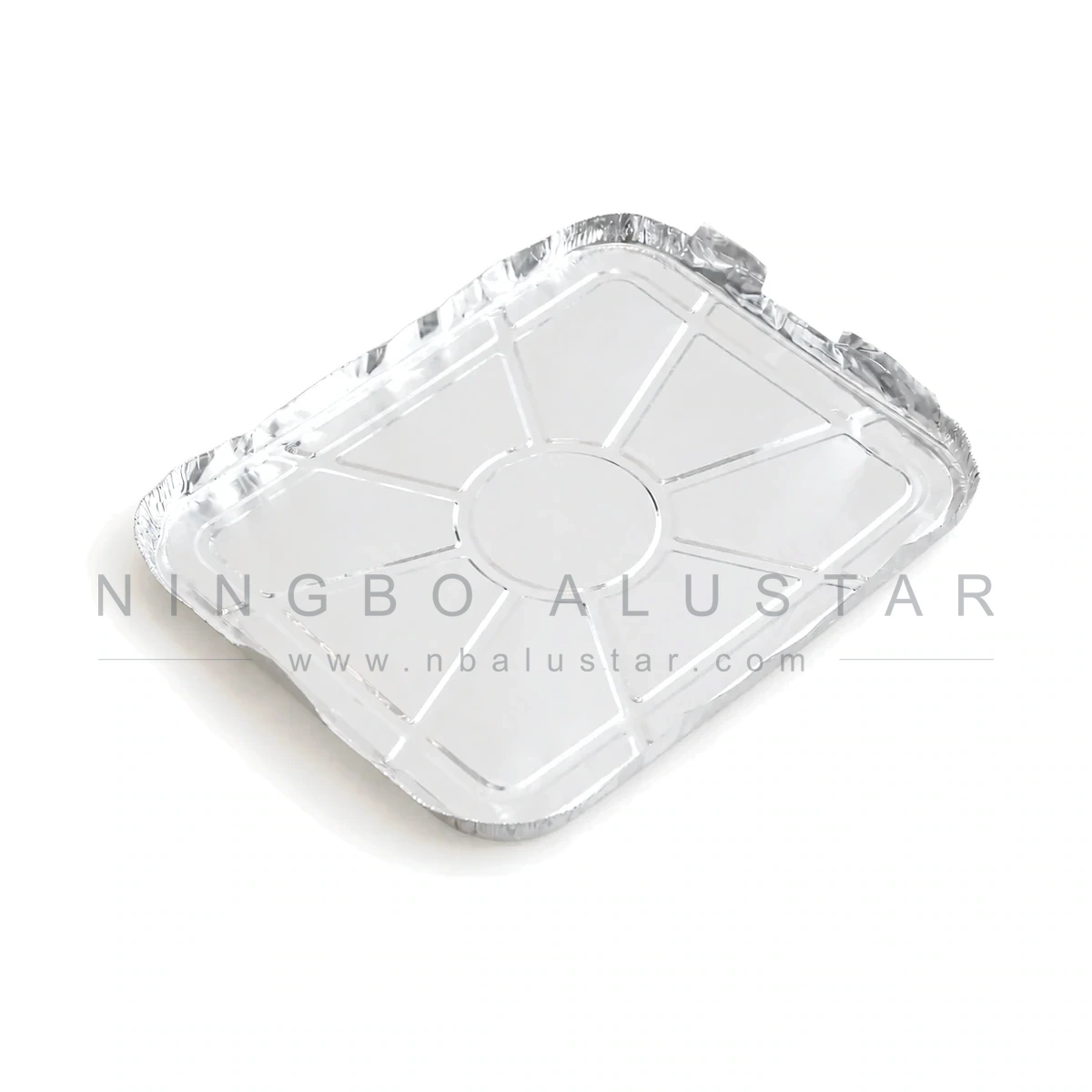
Read guideRelated aluminum foil products
Buyer next steps
FAQ
What should be approved before ordering foil containers from China?
Approve the supplier and transaction path, controlled tray-and-lid specification, production-representative sample and filled test, packing and artwork, destination evidence, inspection plan, Incoterm, payment milestones and change rules.
Which documents are needed to import aluminum foil containers?
The exact set depends on destination and use. Commercial documents normally include invoice and packing list plus transport documents; product evidence may include declarations and test reports covering the ordered foil, coating, lid or seal under the intended conditions.
When should a pre-shipment inspection happen?
After normal production is complete and the sampled goods are in final packing, but before shipment and the contractual release milestone. The inspector needs the signed specification, approved sample, defect rules and packing requirements.
Which Incoterm is best for a first import order?
There is no universal best term. Choose according to logistics capability, destination, insurance, customs responsibility and price transparency, and state the named place and agreed Incoterms version. Compare offers only after putting them on the same basis.