Updated11 min readSupplier Selection Guide
How to Choose an Aluminum Foil Container Manufacturer in China
A factory-qualification playbook for importers comparing Chinese aluminum foil container manufacturers on engineering, evidence, quality control, packing, and total landed cost.
Quick Answer
Choose a China aluminum foil container manufacturer by testing one complete supply system: application fit, material evidence, mold capability, approved samples, measurable tolerances, AQL inspection, export packing, delivery terms, and change control. Unit price is only one line in that decision.
1. Start with a buyer brief, not a request for the lowest price
A factory cannot recommend the right tray from a photo and capacity alone. The useful starting point is the food, filled weight, sauce or fat level, process temperature, lid, storage, delivery route, destination, and expected annual volume.
A 1 L takeaway tray, a frozen ready-meal tray, and an airline meal tray may share a nominal capacity while requiring different depths, rims, stiffness, closures, carton density, and supporting documents.
Send one controlled brief to every shortlisted supplier. When all factories quote the same specification, price and capability comparisons become meaningful.
- Target food, portion weight, fill height, oil or sauce level, and use temperature.
- Outer, inner, bottom, and height dimensions; drawing or physical sample where available.
- Lid, overwrap, sealing, stacking, heating, cooling, and distribution requirements.
- Destination market, required food-contact evidence, forecast, first order, and launch date.
- Unit pack, carton quantity, artwork, barcode, shipping marks, pallet, and container plan.
2. Factory audit scorecard: compare evidence, not sales language
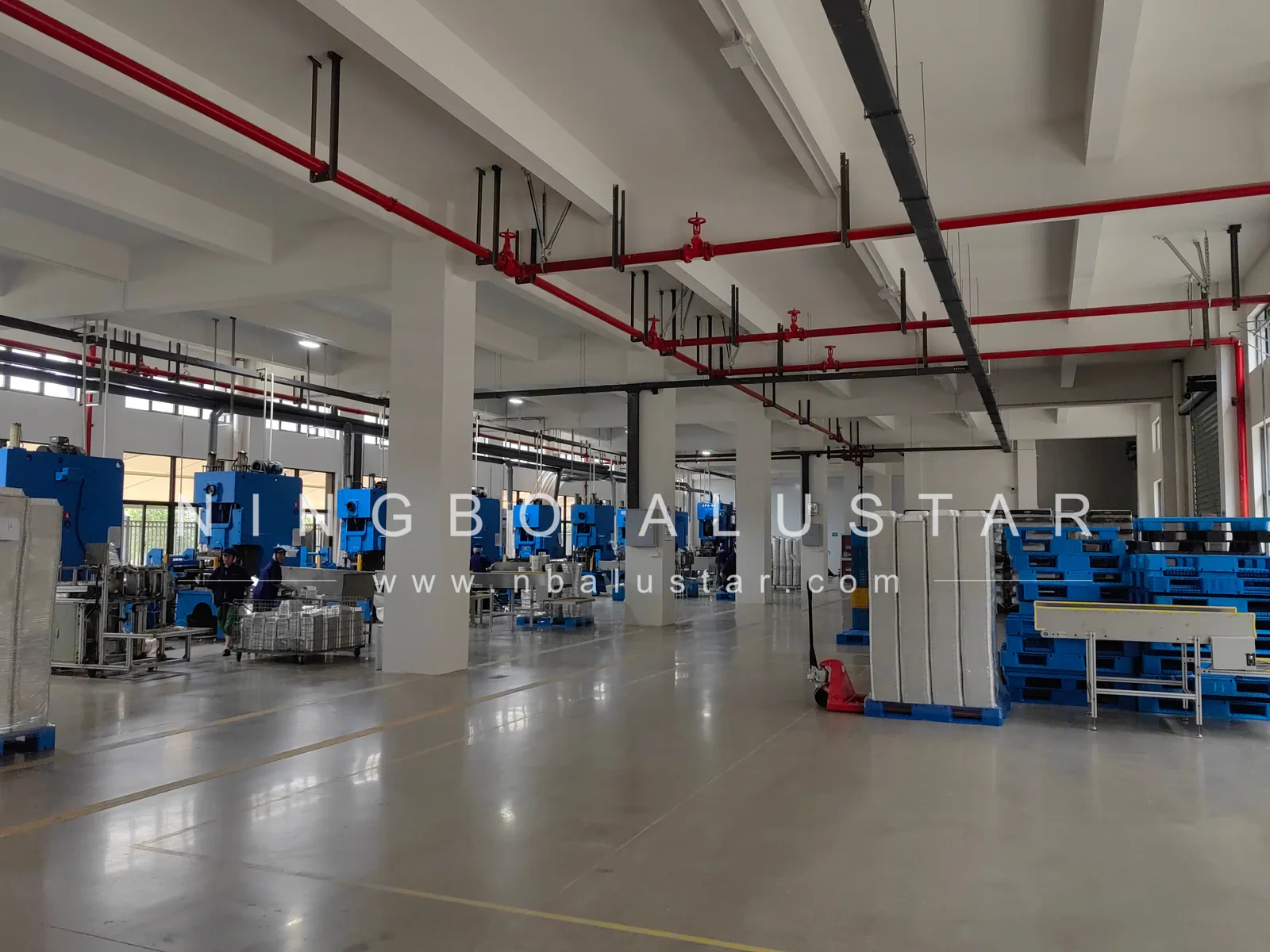
A polished catalogue does not prove process control. Use a weighted scorecard and ask for evidence behind each answer. A factory tour can be live or recorded, but it should follow material receipt through forming, packing, storage, and shipment.
Score the system you will actually buy. If your order includes lids, printed cartons, labels, or new tooling, the audit should include how those components are approved and controlled.
- Record findings as pass, conditional pass, or fail, with an owner and deadline.
- Do not award full points for a certificate without checking its product and date scope.
- Keep audit photos and documents in the approved-supplier file, not only in chat history.
| Audit area | Evidence to request | Suggested weight |
|---|---|---|
| Application and engineering | Drawing review, mold list, lid matching, sample process | 20% |
| Material and compliance | Material identity, supplier records, test scope, traceability | 20% |
| Process control | Incoming, forming, in-process, and packing checks | 20% |
| Quality assurance | Specification, defect library, AQL plan, corrective action | 20% |
| Delivery system | Capacity plan, cartons, warehousing, loading, export records | 15% |
| Communication | Owner, response time, change control, document versioning | 5% |
3. Confirm product engineering and mold capability
The fastest project is often a well-matched existing mold. Ask the supplier to compare the target top opening, bottom, height, rim, nesting angle, and lid rather than claiming that a similar capacity is equivalent.
If no standard tool fits, treat custom tooling as an engineering project. Define drawing responsibility, design review, sample stages, ownership, maintenance, expected life, modification rules, and the response if the first trial misses the brief.
A broad mold list is useful, but disciplined revision control matters more. Buyers should know which tooling version produced the approved sample and which version will run the order.
| Decision | Use an existing mold when | Consider new tooling when |
|---|---|---|
| Geometry | Dimensions and rim fit the application | A critical footprint, depth, or compartment is missing |
| Closure | A tested lid system already exists | The pack needs a new lid, seal area, or flange |
| Brand | Outer packing can carry the identity | Embossing or a signature shape is commercially essential |
| Volume | Forecast does not justify tooling risk | Repeat demand can support development and validation |
4. Match food-contact evidence to the intended use
Food-contact evidence is use-specific. FDA reference tables distinguish food types and conditions such as refrigerated storage, frozen storage, reheating, hot fill, and cooking above 250°F. A generic claim should not replace an application review.
The European Commission states that food-contact materials must comply with framework rules and good manufacturing practice. Buyers should confirm which material, coating, lid, ink, or adhesive a document covers.
Build a document matrix for the destination. Record the report issuer, applicant, sample description, standard, result, report number, issue date, and whether the tested construction matches the order.
- Separate the base foil, coating, board lid, polymer lid, film, ink, and adhesive where applicable.
- Check the tested food simulant, time, temperature, and construction against the intended route.
- Keep current reports with the purchase specification and approved sample reference.
- Ask for clarification when a test names a different material, thickness, supplier, or product family.
5. Use samples to create a golden sample and measurable specification
An attractive empty tray is not an approval. Test the real food, fill weight, lid, heating or cooling route, stacking, transport, opening, and serving method. Record failures as engineering input rather than informal comments.
After approval, keep a signed golden sample and a controlled specification. It should carry measurable dimensions, finished-piece weight or range, rim, surface, closure, packing, artwork revision, and acceptance criteria.
The golden sample is a visual and functional reference, not a substitute for tolerances. Separate natural appearance variation from defects that affect use, hygiene, sealing, presentation, or safety.
- Measure multiple samples rather than relying on one piece.
- Photograph the approved tray, lid engagement, pack, labels, carton, and shipping marks.
- Give the specification a revision number and require written approval for changes.
- Store supplier and buyer reference samples in conditions that prevent crushing or confusion.
6. Read the quotation as a total landed-cost model
Two unit prices are not comparable until material, weight, tolerance, pack count, cartons, lids, tooling, inspection, freight terms, and payment terms are aligned. A lighter tray may reduce price but increase deformation or handling cost.
Calculate pieces per carton, cartons per cubic metre, container utilization, lid cost, tooling amortization, inspection, documentation, inland transport, ocean freight, duty, and local handling. Then compare cost per usable delivered piece.
Ask the supplier to separate confirmed charges from estimates. Currency, metal-price validity, freight validity, quantity breaks, and artwork costs should have clear dates and assumptions.
| Quotation line | Question to ask |
|---|---|
| Tray | Which alloy, finished weight, tolerance, rim, and surface are included? |
| Lid | Which material and closure does it match, and is it packed together? |
| Packing | What are the unit pack, carton quantity, carton size, and gross weight? |
| Tooling | Who owns it, what trials are included, and how are changes charged? |
| Freight term | Where do cost and risk transfer under the named Incoterms rule? |
7. Separate MOQ, tooling economics, capacity, and lead time
MOQ can come from a forming run, packing material, printed carton, lid batch, or commercial handling minimum. Ask which component creates the limit. A plain carton trial may be possible even when printed-pack MOQ is higher.
Lead time should be divided into artwork, material, tooling, sample, production, inspection, packing, booking, and transit. A single number hides the dependency most likely to delay launch.
For seasonal demand, share a forecast and order window. The supplier should state normal output, peak constraints, maintenance plans, and how repeat orders are scheduled against material and packing availability.
- Ask for MOQ by tray, lid, printed pack, and export carton.
- Confirm whether the quote is based on one full production run or mixed items.
- Reserve time for sample shipping, buyer testing, corrections, and artwork approval.
- Do not treat production completion as shipment; booking and port cut-off remain separate.
8. Build quality control around AQL and functional checks
ISO 2859-1:2026 defines AQL-indexed sampling schemes for lot-by-lot inspection. The buyer and supplier must still agree on lot definition, inspection level, sample size, defect classes, acceptance limits, and the response after rejection.
AQL is not permission to ship known defects. It is a sampling framework. Critical, major, and minor defects need written examples that reflect the intended application.
Appearance inspection should be paired with dimensions, finished weight, lid fit, nesting, stack behavior, pack count, carton, barcode, marks, and any application-specific functional test.
| Control stage | Typical evidence |
|---|---|
| Incoming material | Supplier, batch, identity, thickness or weight, surface condition |
| First-off approval | Drawing dimensions, rim, forming, lid fit, approved reference |
| In-process | Frequency, dimensions, weight, appearance, nesting, corrective action |
| Pre-shipment | Sampling plan, defect totals, dimensions, packing, photos, disposition |
| Complaint closure | Containment, root cause, corrective action, effectiveness check |
9. Validate export packing before container loading
A tray can pass factory inspection and still arrive deformed if the unit pack, carton, pallet, or loading pattern is weak. Lightweight nested products need protection against compression, movement, humidity, and rough handling.
Review the complete pack: sleeve or bag, pack count, orientation, separators, carton board, closure, labels, gross weight, stack height, pallet pattern, stretch wrap, corner protection, and container loading.
Run a packing trial with the approved product and lid. Record carton dimensions and weights from a finished pack, not a drawing estimate, because these values drive freight and warehouse planning.
- Confirm barcode readability and shipping marks against the purchase order.
- Define how mixed SKUs, spare lids, samples, and documents are identified.
- Photograph container condition, loading sequence, bracing, and the sealed container number.
- Agree on carton and pallet tolerances that receiving warehouses can handle.
10. Put Incoterms, payment, and change control in the contract
Incoterms define delivery responsibilities and risk transfer. They do not replace product specifications, payment terms, title, quality remedies, or governing law. Name the rule, location, and version, such as FCA Ningbo, Incoterms 2020.
The ICC notes that EXW places very limited obligations on the seller and can create export-clearance difficulties for an overseas buyer. Select the rule with logistics and customs advisers instead of copying a familiar abbreviation.
The contract should reference the approved specification, golden sample, artwork revision, packing file, inspection plan, shipment window, document list, and a written process for deviations or engineering changes.
- No material, weight, geometry, lid, sub-supplier, artwork, or packing change without approval.
- Define who pays for reinspection, sorting, rework, replacement, delay, or urgent freight.
- Keep commercial and technical documents under the same product code and revision.
- Require discrepancies to be raised before production or shipment, not after arrival.
11. Red flags that justify a pause
A supplier does not need a perfect answer in the first call. It does need transparent ownership and a path to evidence. Pause when important gaps are hidden, contradicted, or repeatedly postponed.
- The quotation omits weight, packing, lid reference, validity, or the exact item quoted.
- A certificate has no matching product, applicant, test condition, or current date.
- The factory will not define tolerances, defect classes, inspection access, or sample approval.
- Tooling ownership and revision are unclear, or the sample cannot be linked to one tool version.
- Carton quantities or dimensions conflict across the quote, invoice, and packing list.
- The supplier promises every temperature, food, market, and closure without asking about use.
12. How Alustar turns a requirement into a repeatable supply program
Alustar starts by mapping the food, portion, process, closure, destination, and forecast to an existing product or a custom-development brief. The objective is one specification that purchasing, production, quality, and logistics can use.
For a standard product, we can compare dimensions, share available data, arrange samples, review lid and packing needs, and prepare a quotation. Custom work adds drawing, tooling review, trials, and approval gates.
Before shipment, the order can be checked against the agreed product, packing, marks, dimensions, functional tests, and defect plan. Send your application brief to begin with the right tray rather than a catalogue guess.
Buy from an Aluminum Foil Container Manufacturer in China
A buyer searching for an Aluminum Foil Container Manufacturer, Aluminum Foil Tray Supplier, or Aluminum Foil Container Factory China is usually ready to compare real production capability. Send the food application, drawing or target dimensions, lid system, annual forecast, first-order quantity, destination, and required packing so the quotation is based on one controlled specification.
Ningbo Alustar can review an existing mold match, sample route, food-contact document scope, carton plan, inspection points, and delivery term before bulk production. Buyers are welcome to purchase directly from our factory after the sample and commercial terms are approved.
- Share the tray size, filled weight, rim, lid, and heating or storage route.
- State the trial quantity, repeat forecast, destination port, and Incoterms rule.
- Ask for the applicable test reports, approved sample, packing data, and AQL plan.
- Compare cost per usable delivered piece rather than an unqualified unit price.
Direct B2B procurement
Aluminum Foil Container Manufacturer in China
Qualify a real Ningbo factory through its product range, mold matching, food-contact evidence, samples, inspection, export packing, and direct RFQ route.
View solutionSources and further reading
Continue this buying path
Use these related guides to move from initial selection to specifications, compliance, and supplier evaluation.
Import Guide
How to Import Aluminum Foil Containers from China: MOQ, Samples, Certificates, and Shipping
Read guideQuality Guide
Aluminum Foil Container Quality Inspection Checklist Before Shipment
Read guideManufacturing
Custom Aluminum Foil Packaging: OEM and ODM Options for Food Brands
Read guideEngineering & Customization
Five Patented Reinforced Aluminum Foil Container Designs: From Sketch to Production
Read guideRelated aluminum foil products
SV855N
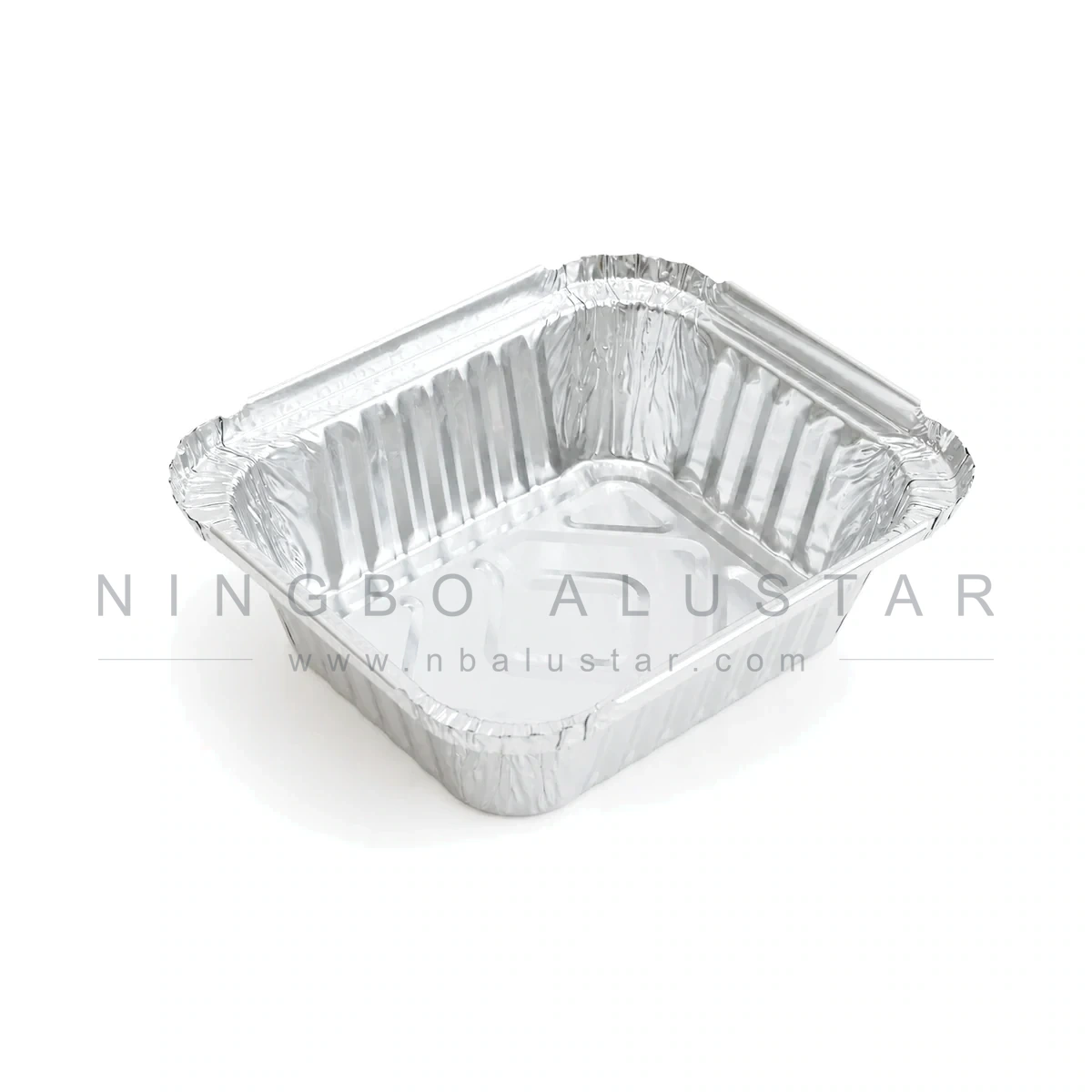
SV855N 0.5 L Rectangular Foil Container – New 2-Cavity Tooling
145x120 outer / 45 high
SV865
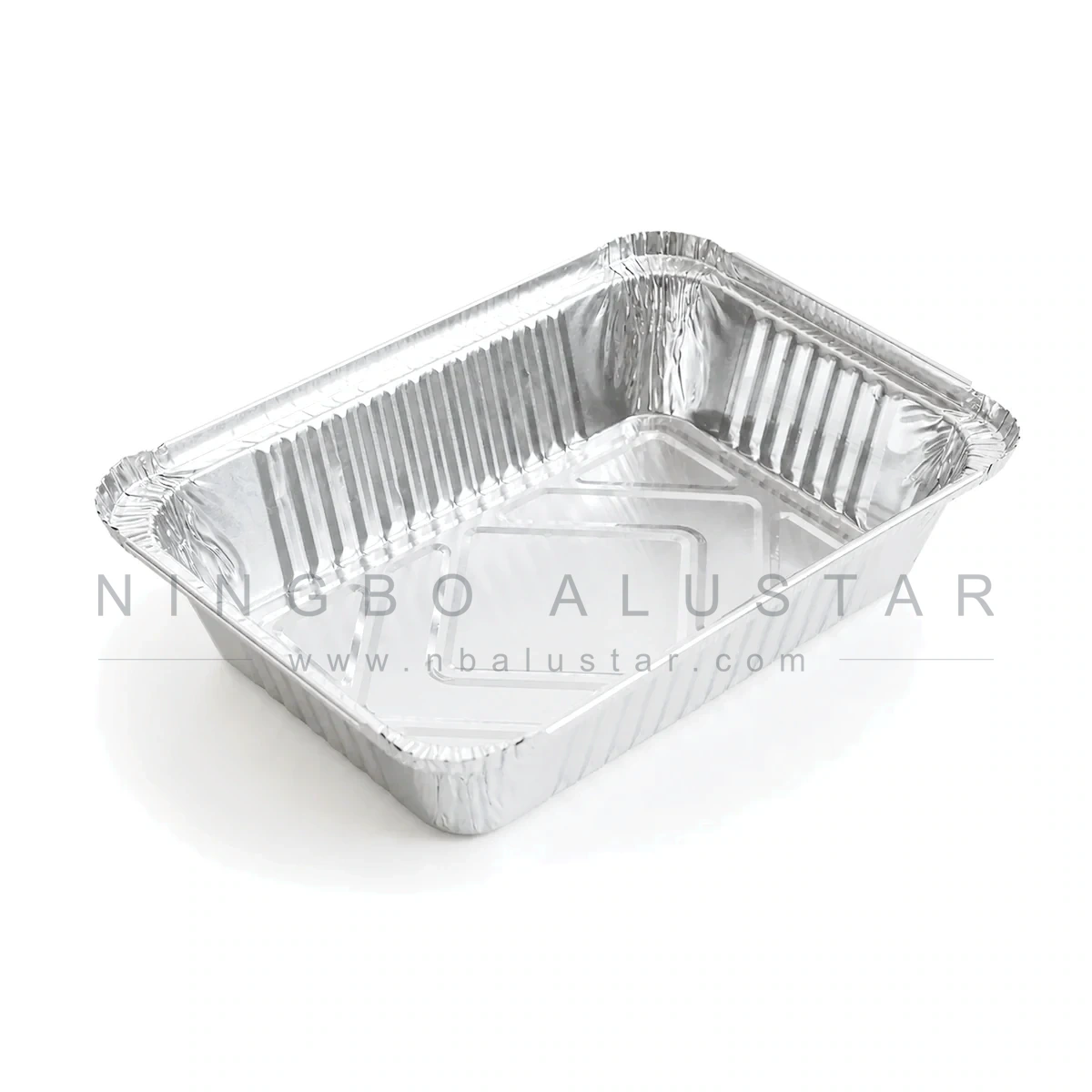
SV865 1 L Rectangular Foil Container – New 2-Cavity Tooling
215x155 outer / 45 high
S823
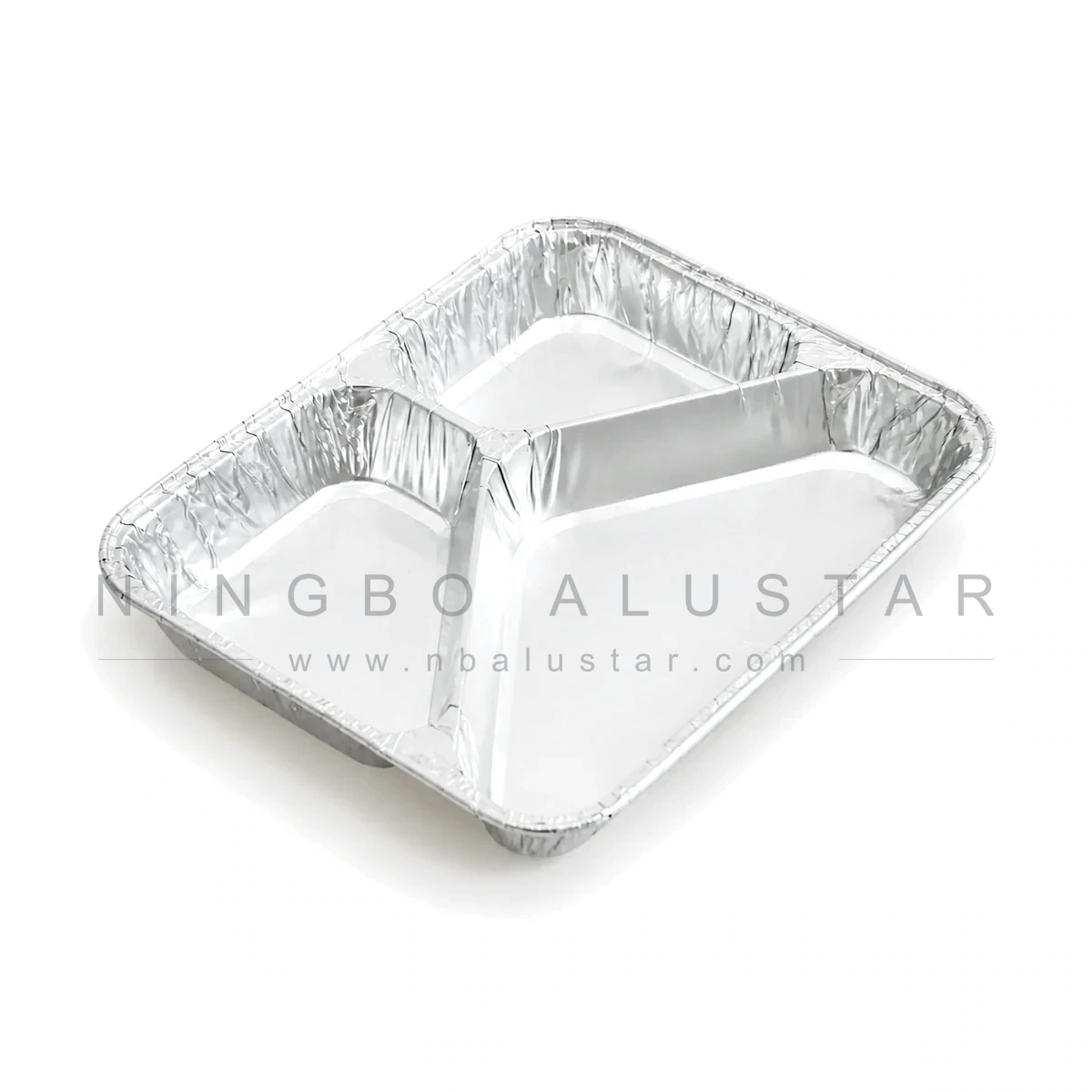
S823 3-Compartment Foil Meal Tray
225x180 outer / 30 high
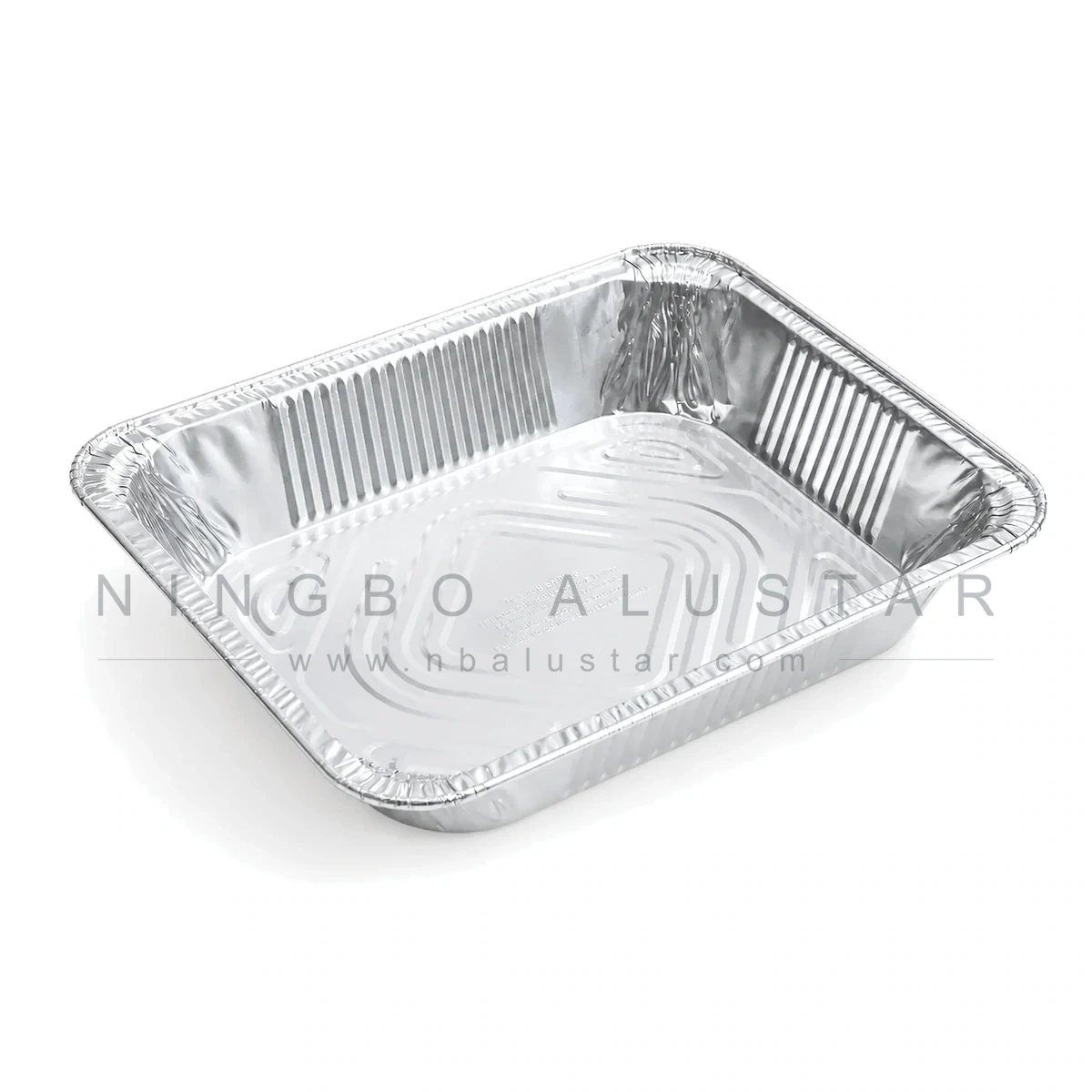
SF672B
SF672B 3.5 L Deep Half-Size Foil Pan – Single-Cavity Tooling
325x260 outer / 65 high
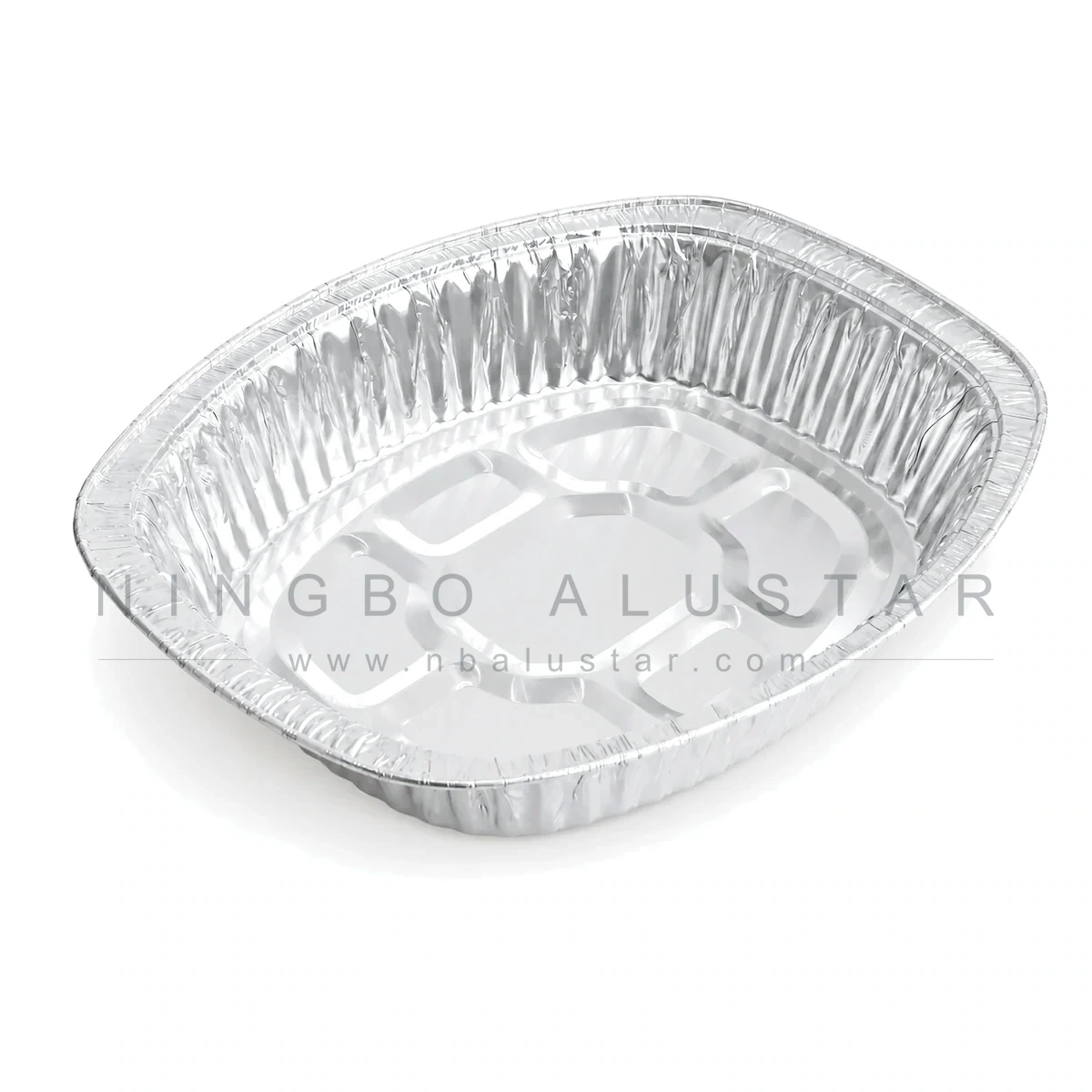
SF68R
SF68R Oval Turkey Roasting Pan – New Tooling
475x355 outer / 80 high
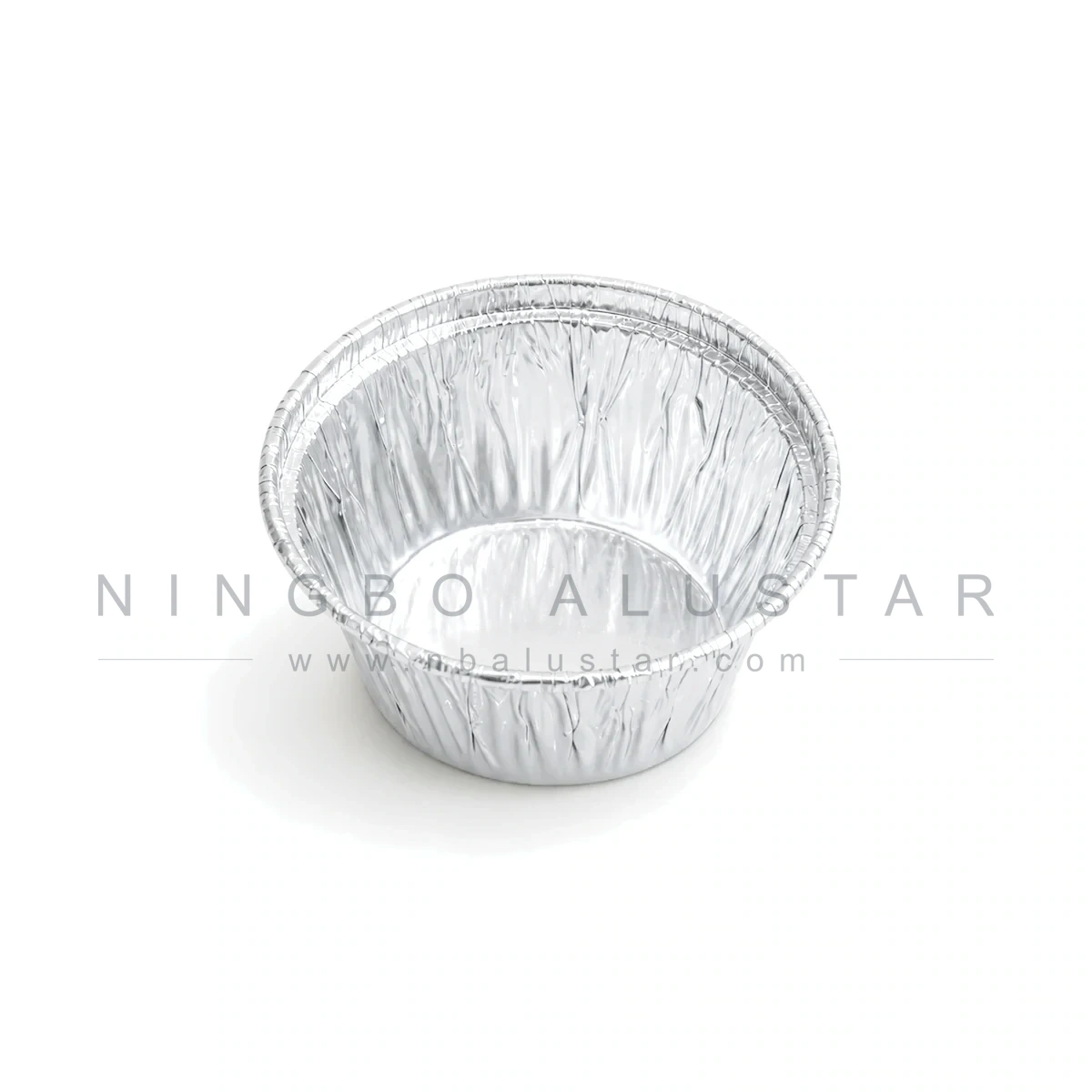
SP805
SP805 Foil Egg Tart Cup
Φ70 outer / 20 high
Buyer next steps
FAQ
How do I verify that a Chinese foil-container supplier is a factory?
Review its business identity, production flow, equipment, material records, in-process controls, warehouse, staff responsibilities, and batch documents. Link the approved sample and order to a controlled tool and production record.
What is a good MOQ for aluminum foil containers?
There is no universal MOQ. Ask for separate limits for the tray run, lid, printed pack, carton, and custom tooling. An existing mold with plain packing has a different threshold from a new private-label format.
Should I choose the lowest unit price?
Compare cost per usable delivered piece. Include product weight and strength, lids, packs, freight volume, damage, inspection, duties, handling, payment, delays, and the cost of complaints or line disruption.
What should a golden sample include?
Keep approved tray and lid samples plus the controlled drawing, dimensions, weight range, rim, appearance standard, packing, artwork revision, carton, marks, functional checks, and dated approval.
Does AQL inspection guarantee a defect-free shipment?
No. AQL is an acceptance-sampling method, not a zero-defect guarantee. Combine it with process controls, clear defect classes, functional tests, traceability, and an agreed response when a lot fails.
Can Alustar support OEM or custom foil-container projects?
Yes. Alustar can compare existing products, review drawings or samples, discuss tooling, match lids, arrange trials, plan private-label packing, and align inspection and export-carton requirements.