Updated4 min readSustainability
Why Recyclable Aluminum Packaging Is a Smarter Food-Service Choice
Aluminum packaging brings heat resistance, recyclability, and strong food-service performance together.

Quick Answer
Aluminum foil packaging is widely used because it combines food protection, heat resistance, light weight, and recyclability, but actual recovery depends on local collection and clean disposal.
Why food service uses aluminum
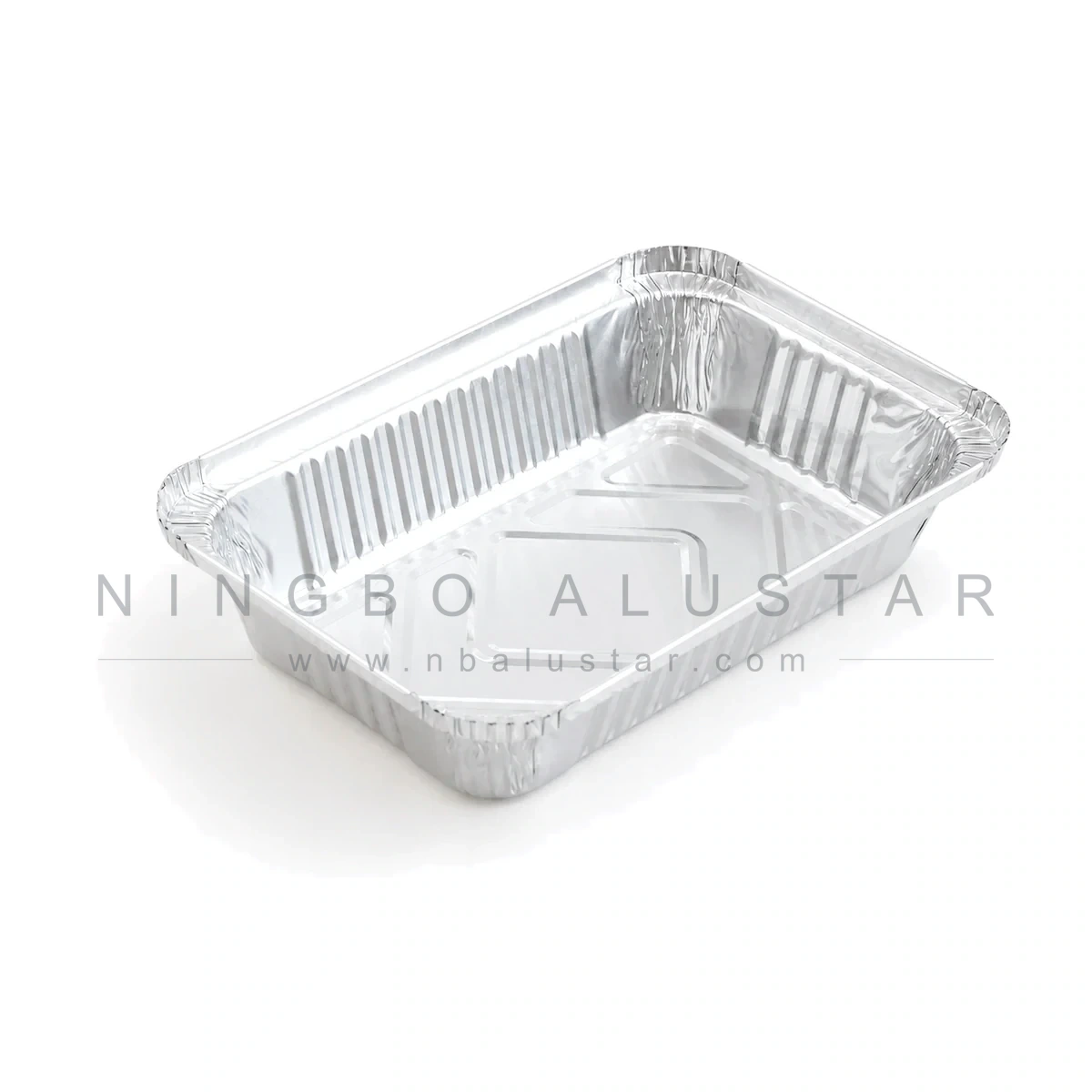
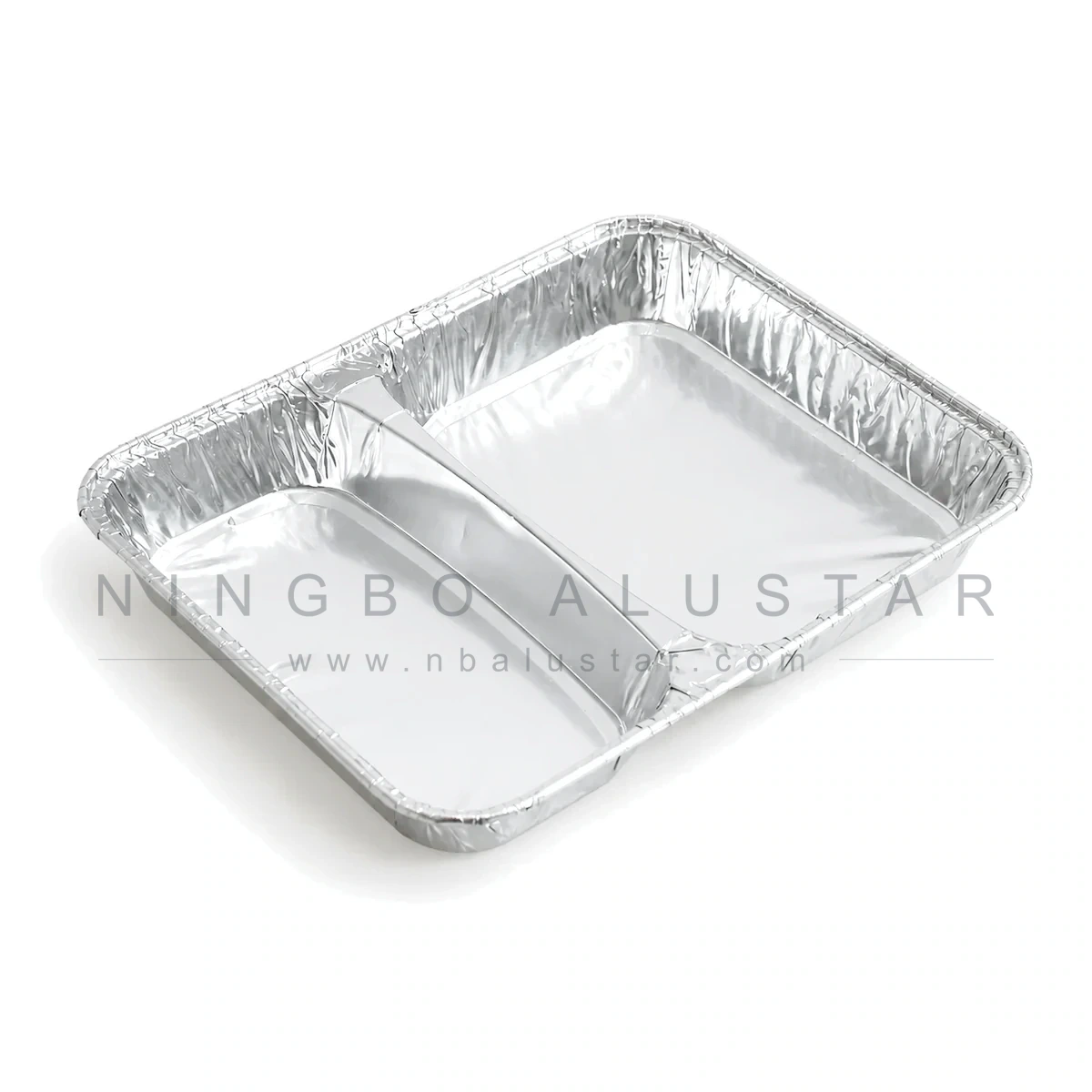
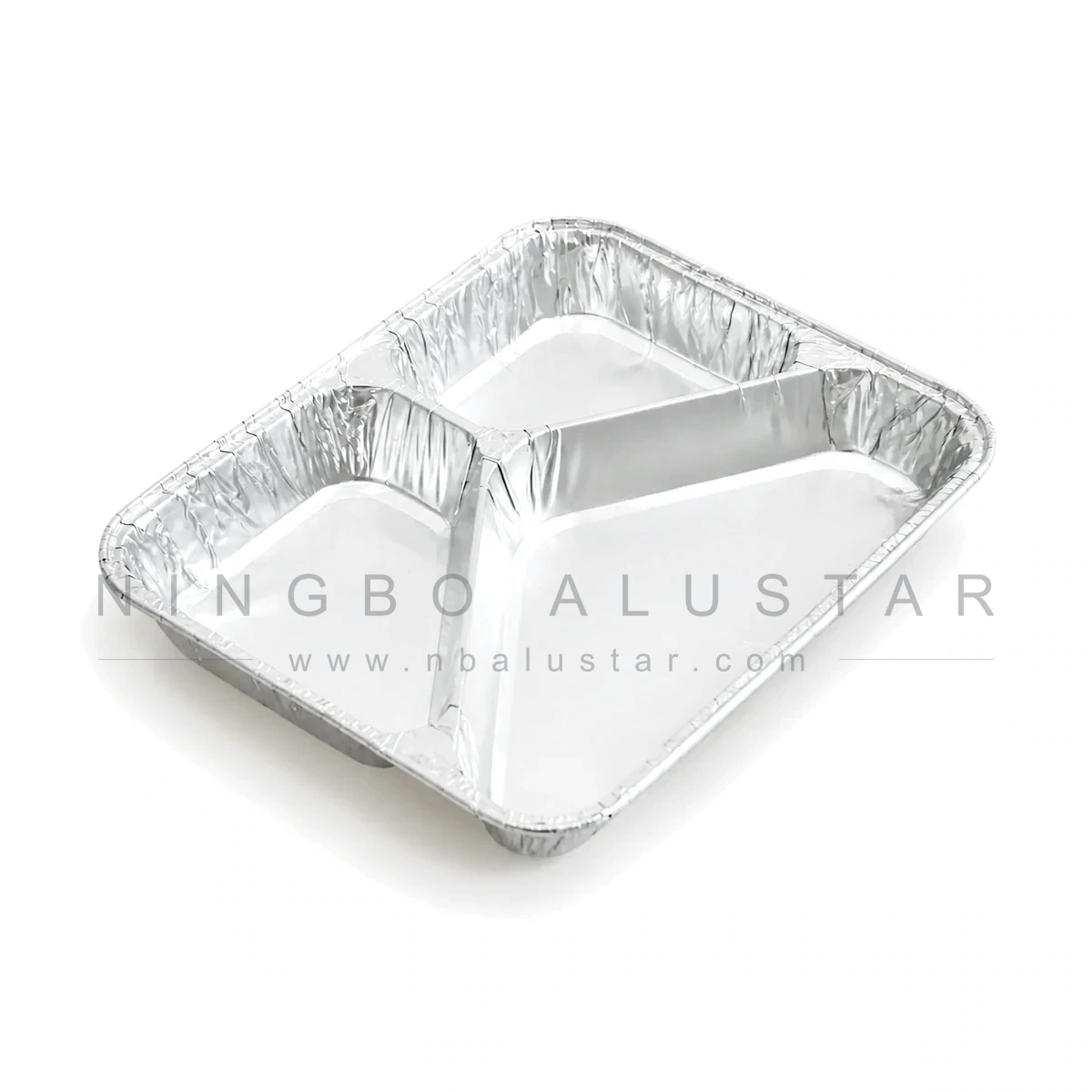
Food-service packaging must handle hot food, cold storage, transport, reheating, and customer handling. Aluminum foil containers are light, formable, heat resistant, and suitable for many takeaway, catering, bakery, and prepared meal routes.
The sustainability value is strongest when buyers also plan correct sizing, efficient carton packing, and clear disposal guidance.
Recyclability and real-world recovery
Aluminum is recyclable, but recovery depends on local recycling systems, consumer sorting, and food residue. Packaging should be designed so customers can empty and dispose of it correctly.
- Use the right size to reduce material waste.
- Avoid unnecessary mixed-material parts when possible.
- Provide disposal guidance for local markets.
- Keep cartons efficient to reduce shipping impact.
Where aluminum performs especially well
Aluminum foil containers are especially useful for ovenable meals, BBQ and roasting, bakery items, airline catering, supermarket deli counters, and frozen ready meals.
Separate material potential from local recycling reality
Aluminum can be recycled repeatedly, but a used food tray is recovered only when local collection accepts it, the item reaches the correct stream, and food residue or attached materials do not make sorting impractical.
A credible claim therefore names the market and disposal route. Avoid turning a material property into a promise that every consumer pack will be collected and recycled.
- Check municipal and commercial collection separately.
- Confirm whether trays must be empty, rinsed, or separated from lids.
- Use market-specific labels instead of one global claim.
- Keep evidence and claim approval with the artwork file.
Design the complete pack for separation
The tray may be aluminum while the lid, label, film, adhesive, sleeve, and food residue create a multi-material pack. Design each component so users and sorting systems can understand what should stay and what should separate.
A simple closure and clear instruction may be more valuable than an elaborate component that adds material but little protection. Test the pack first; sustainability cannot excuse leakage or food loss.
- Minimize permanently bonded dissimilar materials where practical.
- Make lids and labels easy to identify and remove when required.
- Use only the material needed for verified performance.
- Test emptying and separation with real users.
Measure protection, food waste, and logistics together
A very light pack may use less material but fail more often. A stronger tray may prevent spills, crushing, rejected meals, or secondary packaging. Compare the system instead of celebrating one lower number.
Include tray and lid weight, pack count, carton density, transport damage, product loss, storage, and end-of-life route. Define the functional unit, such as one safely delivered meal, before comparing options.
- Use the same menu, portion, route, and acceptance criteria.
- Record damaged packaging and lost food separately.
- Include lids, labels, bags, cartons, and pallets.
- Avoid life-cycle claims without defined boundaries and data.
Write recycling instructions consumers can act on
Instructions should be short, visible, and consistent with local systems. Tell users whether to empty, wipe or rinse, remove the lid, and place the tray in a named recycling stream.
Do not bury disposal text beneath vague green imagery. Test legibility on the final pack and make digital detail available when several markets need different instructions.
- Name the material accurately.
- Avoid absolute terms such as waste-free or always recycled.
- Translate and localize the instruction for destination markets.
- Control recycling text as part of artwork approval.
Ask suppliers for data that supports improvement
A practical supplier discussion includes finished-piece weight, alloy and temper, lid construction, packing materials, carton density, scrap handling, process controls, and options to remove material without losing function.
Alustar can compare standard formats, weight and packing options, lids, and carton layouts. Any reduction should pass the same filled-product, stack, delivery, and inspection criteria as the current pack.
- Establish a verified baseline before claiming improvement.
- Approve changes by application, not appearance alone.
- Track damage and complaints after launch.
- Review destination-market claims whenever the pack or rules change.
Sources and further reading
Continue this buying path
Use these related guides to move from initial selection to specifications, compliance, and supplier evaluation.
Sustainability
Aluminum Foil Containers vs Plastic Containers: Heat, Recycling, Cost, and Food Service Use
Read guideCompliance
Food-Grade Aluminum Foil Containers: What Buyers Should Check Before Importing
Read guideCompliance Guide
Global Food-Contact Requirements Guide: FDA, EU, SABER, Japan, Halal, and Kosher
Read guideApplication Guide
Aluminum Foil Tray Uses: Takeout, Catering, Bakery, BBQ, Airline, Ready Meals, and Retail Food
Read guideRelated aluminum foil products
Buyer next steps
FAQ
Is aluminum foil packaging recyclable?
Yes, aluminum is recyclable, but local collection rules and food residue affect actual recovery.
Is aluminum better than plastic for hot food?
For many hot and ovenable foods, aluminum performs better because it handles heat and keeps shape well.