Updated9 min readFrench Bakery Packaging
Aluminum Foil Containers for French Bakery, Patisserie, Quiche, and Gratin
Select foil cups and trays for tarts, cakes, quiche, gratin, chilled display, takeaway, and gifting with release, browning, rim, lid, and presentation tests.
Quick Answer
Butter, sugar, egg, cream, cheese, pastry layers, moisture, and oven expansion affect release, browning, base support, rim cleanliness, and display life. Buyers should choose a tray-and-lid system from the real menu, filled weight, temperature, delivery time, and service method, then approve it through a documented trial.
Packaging should protect both flavour and the ritual of presentation
UNESCO describes the gastronomic meal of the French as a social practice that values selected dishes, compatible flavours, a beautiful table, and a structured sequence from starter through dessert.
For bakeries and prepared-food counters, the package becomes part of that presentation. It should preserve crust, edge detail, portion shape, garnish, and the moment when the customer opens or serves the food.
1. Individual fruit and custard tarts — patisserie counters and gift boxes
Small tarts need clean fluting, stable release, controlled browning, and protection for delicate toppings. Cup diameter, wall angle, depth, rim, coating need, and secondary box fit should be approved together.
Individual fruit and custard tarts needs its own approval route: Bake several formulas, cool, release or serve in cup, pack, transport, and score edge damage plus topping contact. The recorded result, rather than the food name alone, should decide whether this tray-and-lid pair becomes a repeat-order specification.
- Route test: Bake several formulas, cool, release or serve in cup, pack, transport, and score edge damage plus topping contact.
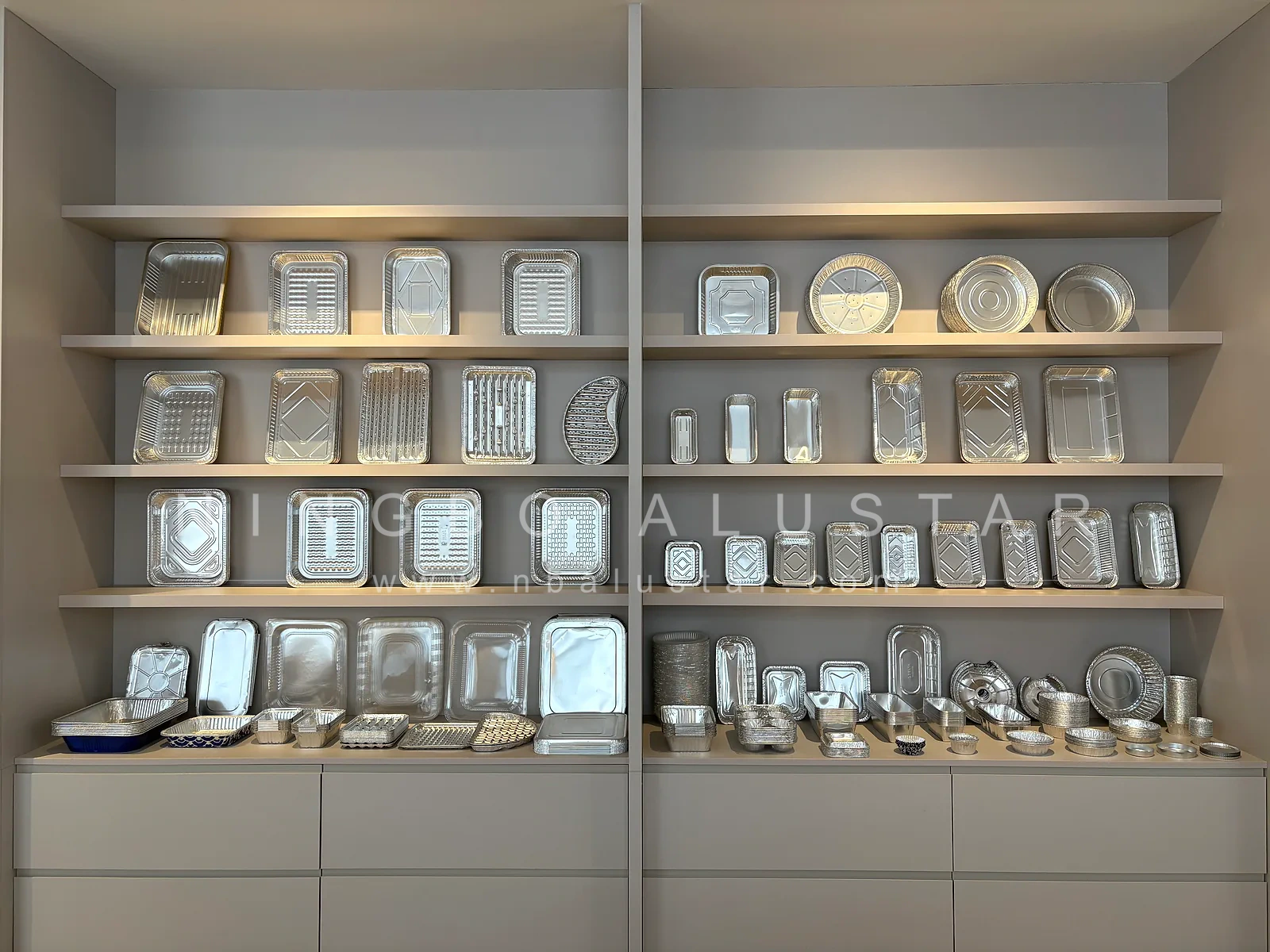
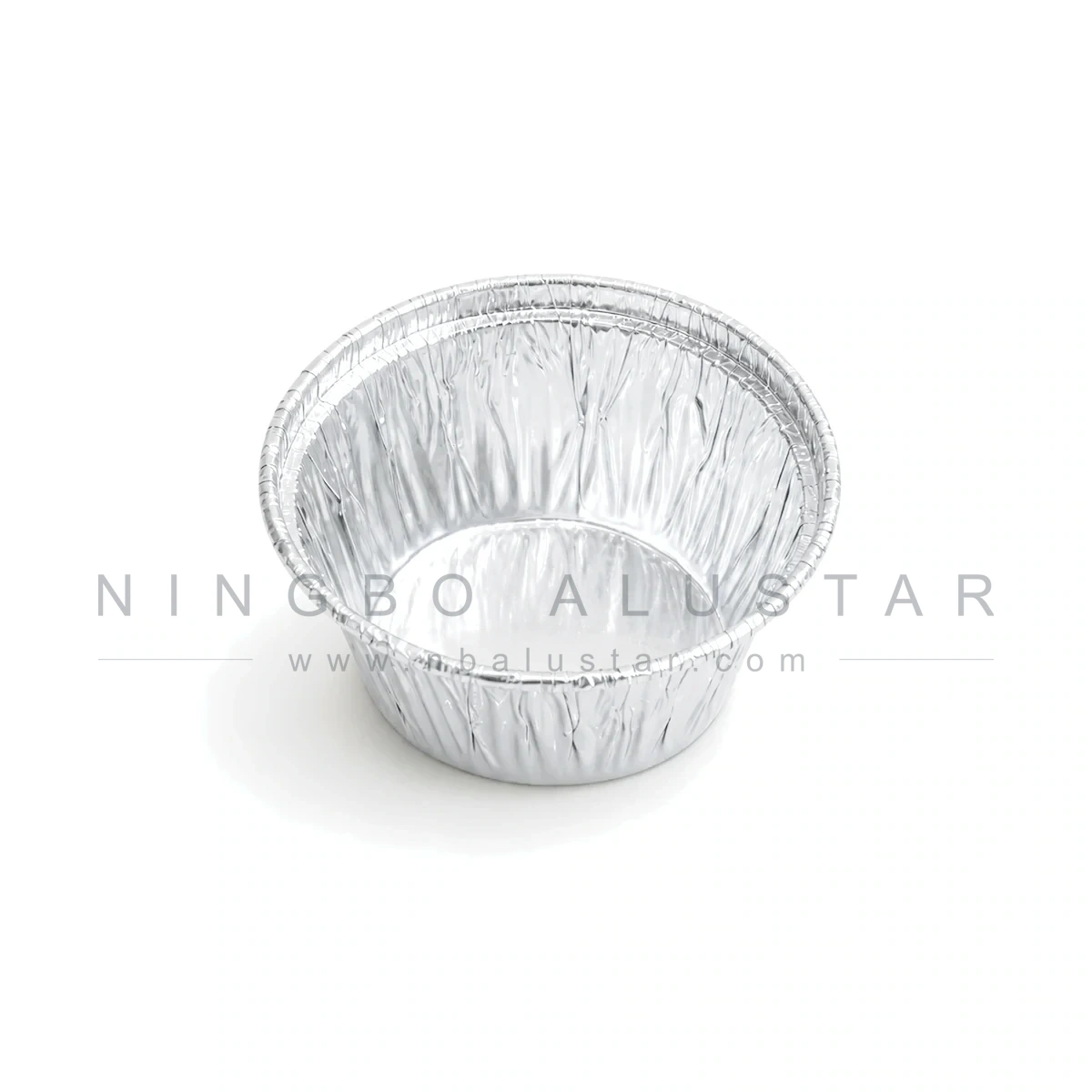
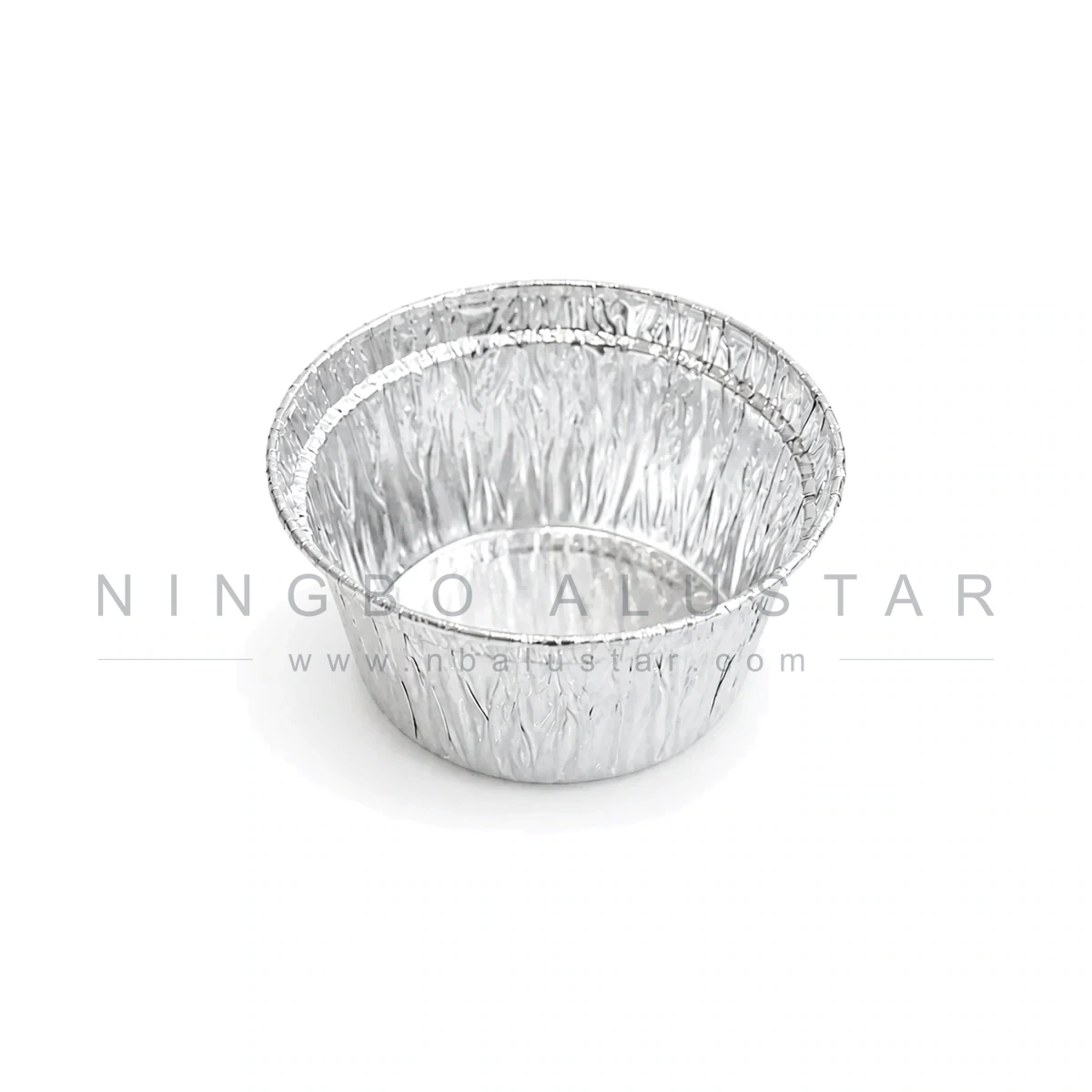
- Alustar option: Alustar can supply multiple tart-cup diameters and prepare real product photos for selection.
- For patisserie counters and gift boxes, approve the exact tray, lid, fill, pack count, carton, and use instruction as one controlled set.
2. Cakes, financiers, and portion desserts — cafe takeaway and retail multipacks
Portion cakes vary in batter expansion, fat release, edge colour, and whether the cup remains as the final serving pack. Depth and sidewall support should match the formula while allowing clean nesting and automated or manual de-nesting.
Cakes, financiers, and portion desserts needs its own approval route: Measure fill weight, expansion, release, deformation, cooling time, nesting, and carton protection. The recorded result, rather than the food name alone, should decide whether this tray-and-lid pair becomes a repeat-order specification.
- Route test: Measure fill weight, expansion, release, deformation, cooling time, nesting, and carton protection.
- Alustar option: Alustar can compare cake cups and multi-cavity bakery trays for retail packing efficiency.
- For cafe takeaway and retail multipacks, approve the exact tray, lid, fill, pack count, carton, and use instruction as one controlled set.
3. Quiche and savoury pies — whole-pie retail and cafe slices
Quiche combines pastry, egg, cream, cheese, vegetables, or meat in a moist, relatively heavy baked portion. The pan must support the filled base, protect the pastry edge, and fit the intended display or reheating route.
Quiche and savoury pies needs its own approval route: Bake, chill, transport, reheat if claimed, and check base sag, edge crush, grease, and portion release. The recorded result, rather than the food name alone, should decide whether this tray-and-lid pair becomes a repeat-order specification.
- Route test: Bake, chill, transport, reheat if claimed, and check base sag, edge crush, grease, and portion release.
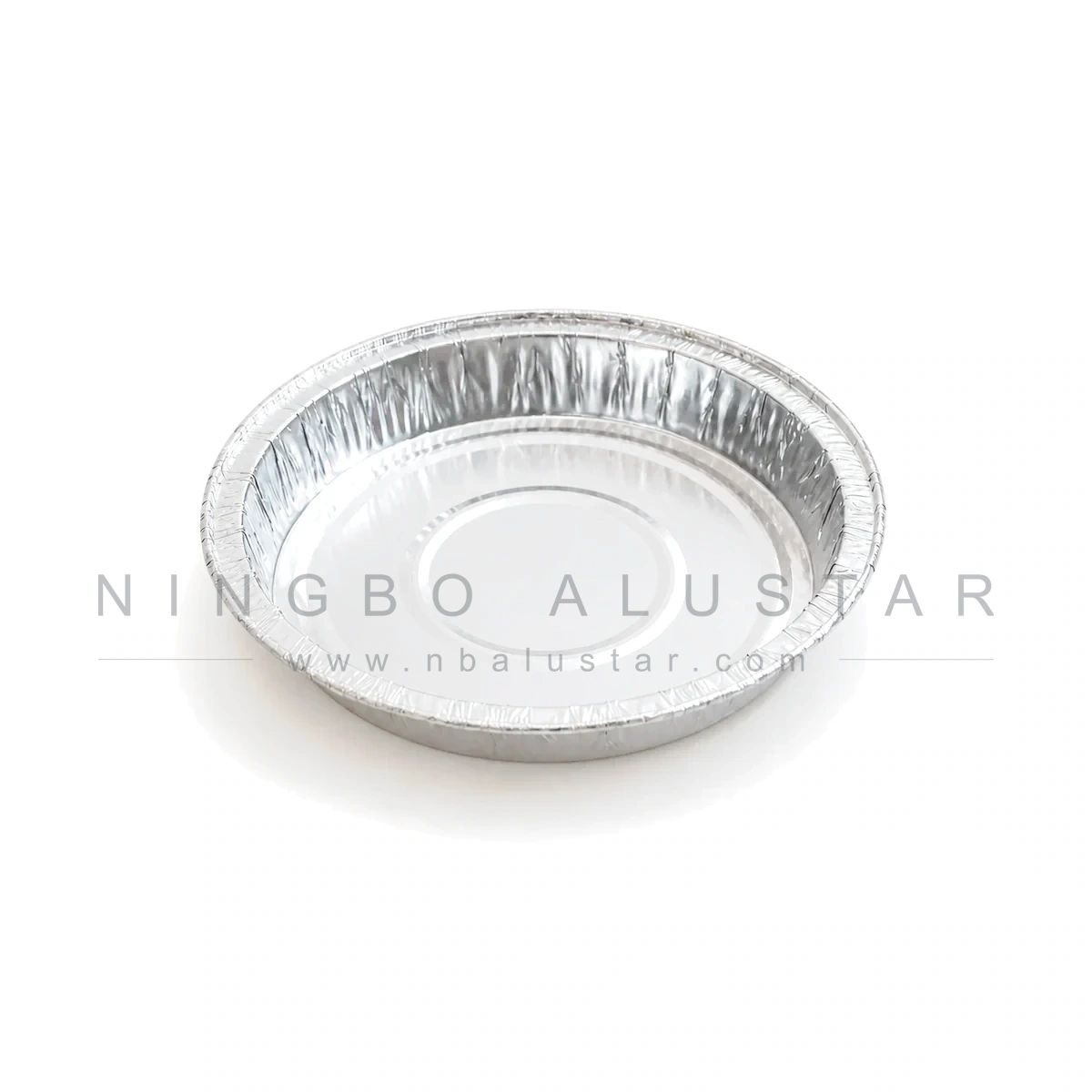
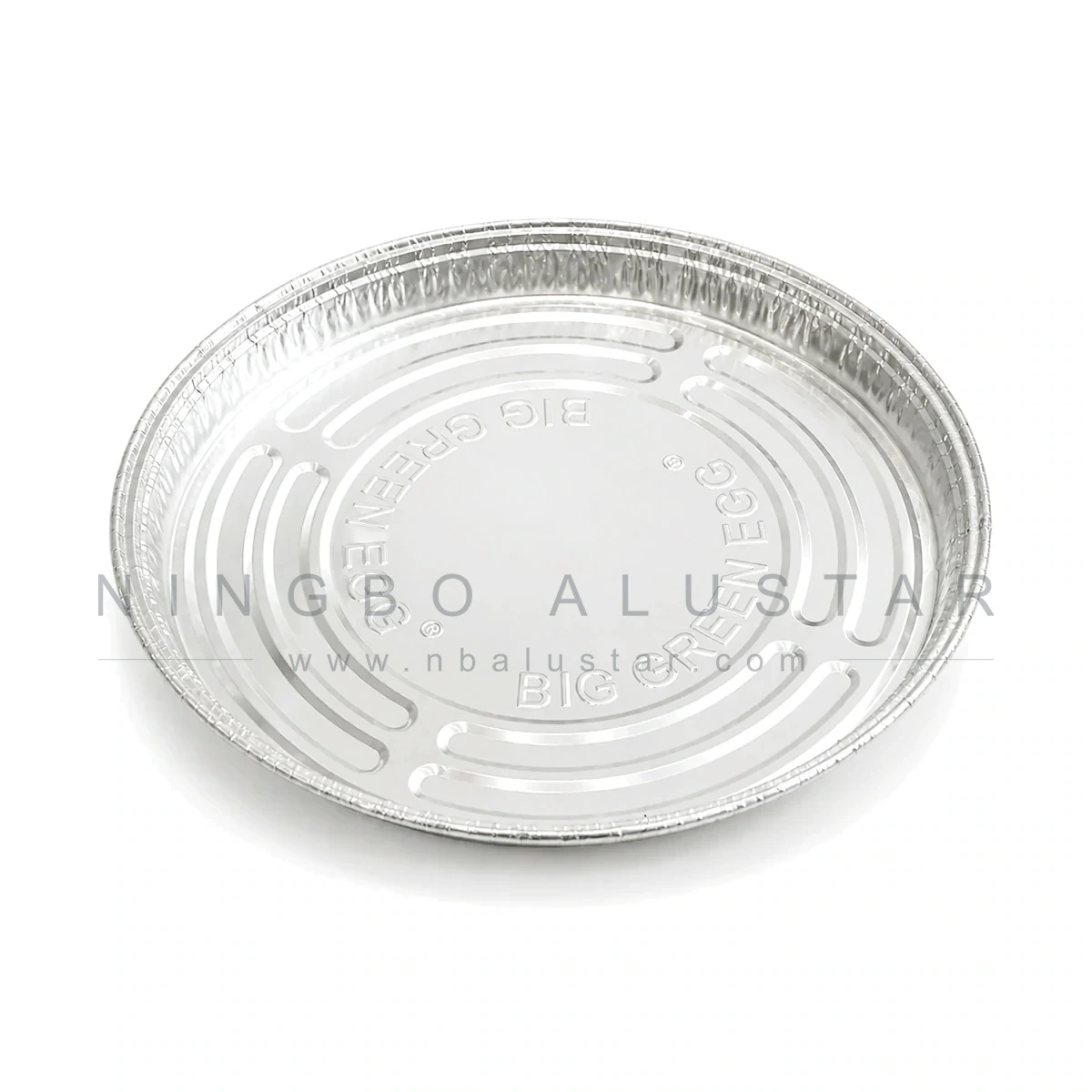
- Alustar option: Alustar can match round foil pans and lids to whole quiche or portion programs.
- For whole-pie retail and cafe slices, approve the exact tray, lid, fill, pack count, carton, and use instruction as one controlled set.
4. Gratin and oven-finished cafe meals — prepared-food counters and home reheating
Gratin moves from wet filling to a browned top and is often sold chilled for later reheating. Choose depth, headspace, lid, and instructions from the complete chilled-to-oven route.
Gratin and oven-finished cafe meals needs its own approval route: Fill, cool, close, stack, transport, reheat, and inspect top contact, rim shape, and consumer lifting. The recorded result, rather than the food name alone, should decide whether this tray-and-lid pair becomes a repeat-order specification.
- Route test: Fill, cool, close, stack, transport, reheat, and inspect top contact, rim shape, and consumer lifting.
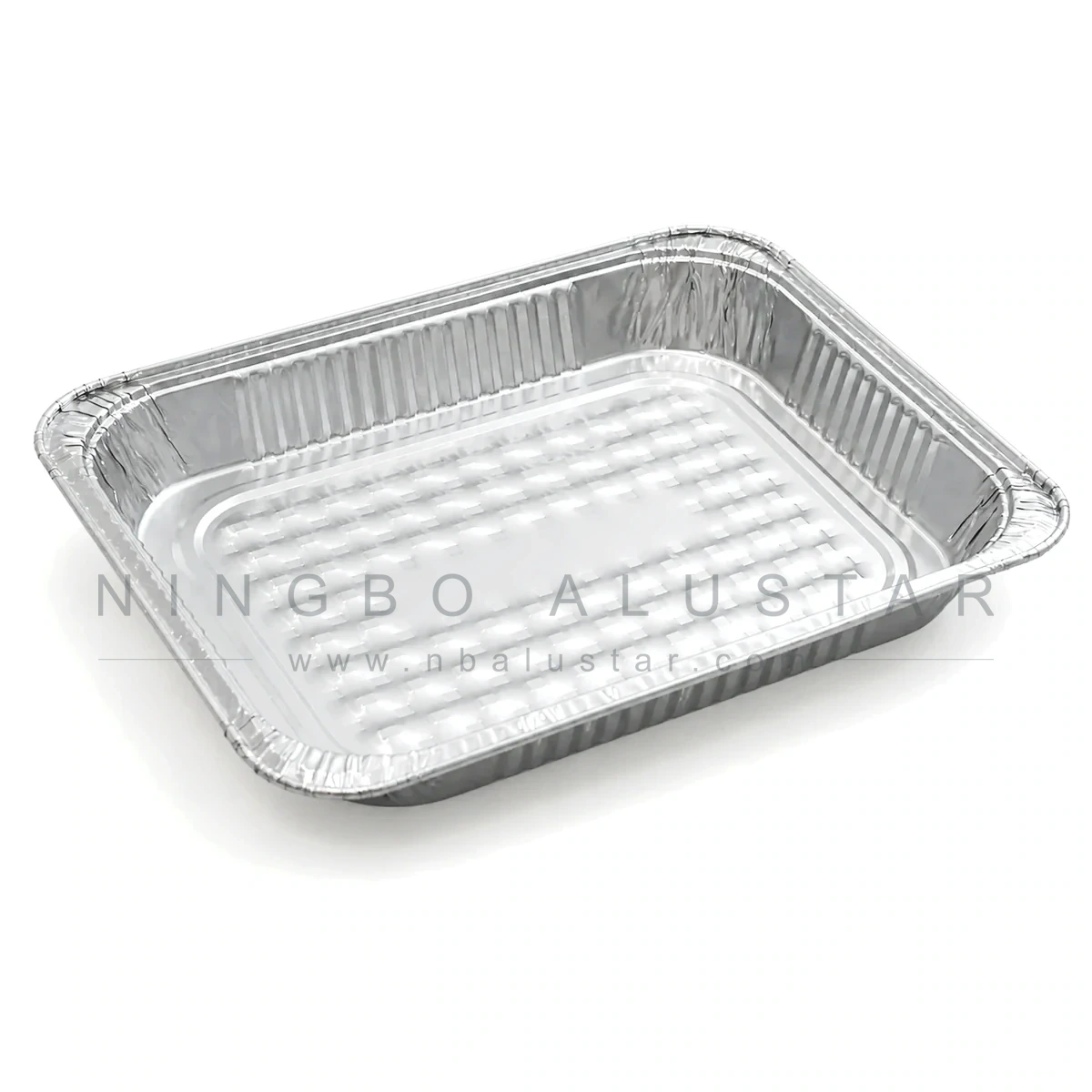
- Alustar option: Alustar can prepare rectangular and round samples for a controlled cafe menu trial.
- For prepared-food counters and home reheating, approve the exact tray, lid, fill, pack count, carton, and use instruction as one controlled set.
Convert food behaviour into a written packaging brief
Butter, sugar, egg, cream, cheese, pastry layers, moisture, and oven expansion affect release, browning, base support, rim cleanliness, and display life.
For bakeries, patisseries, cafe chains, frozen-food brands, and distributors, a useful french bakery packaging brief distinguishes Individual fruit and custard tarts, Cakes, financiers, and portion desserts, Quiche and savoury pies, Gratin and oven-finished cafe meals. It then records portion, fill temperature, contact time, storage, transport, reheating, serving method, destination market, and complaint risks before selecting a catalogue code.
- Identify free oil, acid, salt, moisture, bones, sharp edges, and aroma transfer.
- Set normal and worst-case fill weights and distribution across the base.
- Define hot, ambient, chilled, frozen, oven, or reheating stages in sequence.
- State how operators and consumers will lift, open, serve, and dispose of the pack.
Match container architecture to the menu
Use small round cups for individual tarts, deeper cups for cakes, round pans for quiche, and rectangular trays for gratin or cafe portions.
For Individual fruit and custard tarts and Cakes, financiers, and portion desserts, capacity is only a starting point. Top and bottom dimensions, usable base, depth, wall angle, rim, reinforcement, nesting, piece weight, lid interface, and carton orientation determine whether the filled menu stays usable.
| Menu route | Format direction | Approval test |
|---|---|---|
| Individual fruit and custard tarts | Cup diameter, wall angle, depth, rim, coating need, and secondary box fit should be approved together. | Bake several formulas, cool, release or serve in cup, pack, transport, and score edge damage plus topping contact. |
| Cakes, financiers, and portion desserts | Depth and sidewall support should match the formula while allowing clean nesting and automated or manual de-nesting. | Measure fill weight, expansion, release, deformation, cooling time, nesting, and carton protection. |
| Quiche and savoury pies | The pan must support the filled base, protect the pastry edge, and fit the intended display or reheating route. | Bake, chill, transport, reheat if claimed, and check base sag, edge crush, grease, and portion release. |
| Gratin and oven-finished cafe meals | Choose depth, headspace, lid, and instructions from the complete chilled-to-oven route. | Fill, cool, close, stack, transport, reheat, and inspect top contact, rim shape, and consumer lifting. |
Choose the closure from temperature and service
A clear dome protects garnish and supports display; a flat board or foil lid suits transport. Confirm cooling before closing to control condensation.
The closure approved for Individual fruit and custard tarts may not suit Gratin and oven-finished cafe meals. Control tray and lid codes, rim profile, closure method, pack ratio, material construction, use limits, artwork, and approved samples for each route.
- Board lids can provide print area and stiffness for many takeaway routes.
- Foil lids can support selected hot-hold or oven-related routes when validated.
- Clear polymer lids support display but require their own temperature and food-contact review.
- Sealing film requires tray-rim, sealant, machine, temperature, dwell, and peel validation.
Run a filled validation, not an empty-tray demonstration
An empty-tray check cannot reproduce how Individual fruit and custard tarts and Gratin and oven-finished cafe meals load the base, move moisture or fat, create steam, press the lid, stack in a bag or carton, and reach the consumer.
For this french bakery packaging program, set acceptance before the test and use production-representative samples. Record conditions, photographs, dimensions, weight, failures, and corrective changes instead of writing “pass” alone.
- Fill normal and worst-case recipes at the intended temperature.
- Close, stack, condition, transport, open, and serve in the real sequence.
- Measure base deflection, rim deformation, corner collapse, lid fit, leakage, and presentation.
- Repeat after any material, tool, lid, packing, or process change.
Check food-contact evidence for the intended use
The evidence for french bakery packaging must match the actual foods in Individual fruit and custard tarts, Cakes, financiers, and portion desserts, Quiche and savoury pies, Gratin and oven-finished cafe meals. FDA conditions of use distinguish food types and routes such as hot filling, refrigerated or frozen storage, reheating, and cooking; a general food-grade claim does not define them all.
Ask which material, coating, ink, adhesive, lid, or seal layer the evidence covers, then compare its named food type, temperature, duration, and destination with the route described for Individual fruit and custard tarts.
- Keep report issuer, number, sample identity, date, revision, and scope in the purchase file.
- Do not treat one certificate as proof for every component or market.
- Write storage, heating, and opening instructions from the approved route.
Build packing and freight around repeatable quality
The formats proposed for Individual fruit and custard tarts, Cakes, financiers, and portion desserts, Quiche and savoury pies, Gratin and oven-finished cafe meals may nest efficiently, but their rims can still suffer compression, poor de-nesting, or abrasion. Unit packs, sleeves, cartons, orientation, pallets, and container loading must protect each approved format.
Before ordering for bakeries, patisseries, cafe chains, frozen-food brands, and distributors, specify pieces per pack and carton, lid ratio, carton dimensions, gross weight, compression expectation, marks, barcode, pallet pattern, and inspection sampling.
Turn this menu into an Alustar sample and quotation
Alustar can help bakeries, patisseries, cafe chains, frozen-food brands, and distributors compare existing molds, tray-and-lid pairs, compartment layouts, piece weights, packing counts, OEM cartons, and custom development. The aim is a controlled supply program, not a one-time attractive sample.
For the french bakery packaging shortlist, send Individual fruit and custard tarts and Gratin and oven-finished cafe meals menu details, privacy-safe food photos, target portions, dimensions, lid route, temperatures, delivery time, forecast, destination, and first-order quantity. Alustar can then propose formats for filled testing by bakeries, patisseries, cafe chains, frozen-food brands, and distributors.
- Use existing molds for a faster sample and lower-risk launch where possible.
- Use custom tooling when the menu, equipment, brand shape, or closure cannot fit a standard format.
- Approve product, lid, artwork, carton, inspection, and revision control before mass production.
- Link repeat orders to the same codes, approved samples, and written specification.
Sources and further reading
Continue this buying path
Use these related guides to move from initial selection to specifications, compliance, and supplier evaluation.
Application Guide
Aluminum Foil Trays for Bakery and Desserts: Cups, Loaf Pans, Tart Trays, and Cake Cups
Read guideProduct Guide
Aluminum Foil Cups for Bakery, Sauce, Samples, and Small Portions
Read guideProduct Guide
Round Aluminum Foil Containers: Uses, Lid Options, and Size Selection
Read guideCompliance
Food-Grade Aluminum Foil Containers: What Buyers Should Check Before Importing
Read guideRelated aluminum foil products
Buyer next steps
FAQ
Which foil container is best for french bakery packaging?
Use small round cups for individual tarts, deeper cups for cakes, round pans for quiche, and rectangular trays for gratin or cafe portions. Compare that starting point against the filled weight, sauce or fat, temperature, lid, delivery time, service method, and destination requirements, then approve the exact format with filled samples.
Should wet and dry foods share one cavity?
Only when the route test proves that moisture, aroma, temperature, and movement will not damage Individual fruit and custard tarts or Cakes, financiers, and portion desserts. For Gratin and oven-finished cafe meals, the profile-specific recommendation is: Choose depth, headspace, lid, and instructions from the complete chilled-to-oven route.
Can aluminum foil containers move from freezer to oven?
Only after validating the complete route for Individual fruit and custard tarts or the intended frozen menu: tray, lid, food, temperature, time, and equipment. A clear dome protects garnish and supports display; a flat board or foil lid suits transport. Confirm cooling before closing to control condensation.
Can Alustar provide samples and private-label packing?
Yes. For bakeries, patisseries, cafe chains, frozen-food brands, and distributors, Alustar can shortlist existing molds for Individual fruit and custard tarts, Cakes, financiers, and portion desserts, Quiche and savoury pies, Gratin and oven-finished cafe meals, prepare samples, match lids, discuss labels or cartons, and develop custom tooling when standard formats cannot meet the menu or equipment envelope.
What information produces an accurate wholesale quotation?
For an accurate french bakery packaging quotation, send the target items (Individual fruit and custard tarts, Cakes, financiers, and portion desserts, Quiche and savoury pies, Gratin and oven-finished cafe meals), portion and filled weight, lid type, temperature route, packing preference, destination, forecast, first-order quantity, required documents, and whether an existing or custom mold is acceptable.